M-code receiver business, reorganized with a focus on the U.S. Air Force
The United States military’s GPS receiver modernization program has been transitioned to an integrated management system centered around the U.S. Air Force. While the schedule aims for the maritime operational test of the MGUE Increment 1 airborne and maritime receiver cards by May 2027, the next-generation MAVRC is still in the requirements definition and risk mitigation phases.
M-code is an encrypted military GPS signal designed to provide more reliable positioning, navigation, and timing information in contested environments where jamming and deceptive signals may be present. It is intended for use by the U.S. military and authorized allied military platforms, not for civilian GPS receiver distribution programs.
MGUE Increment 1 and 2: Transfer of management rights completed
According to a statement from the U.S. Air Force Life Cycle Management Center, the Air Force officially received Increment 1 and 2 of the MGUE (Multi-Gateway User Equipment) project from the U.S. Space Force on May 28, 2026. The signing of the acquisition support plan establishes a framework for the Air Force to consistently manage the entire process, from receiver development to system integration, testing, deployment, and subsequent support.
The organizational restructuring began in November 2024 with the establishment of the M-code airborne receiver joint project office. Acquisition authority was transferred to the Air Force on December 1, 2025, and after the project manager took office in January 2026, the project transfer procedures were completed in May of the same year.
This system focuses on jointly managing precision positioning, navigation, and sighting equipment used in aircraft and ships, aiming to streamline the development of receivers and platform integration tasks that were previously distributed among different branches of the military.
Status of Receiver Testing for Aviation and Maritime Applications
According to the U.S. Government Accountability Office (GAO)’s 2026 weapon system evaluation, the MGUE Increment 1 program has been developing ground-based cards and air/naval cards separately. The ground-based cards have completed development and have entered the production phase, while work continues to resolve technical issues identified during integration testing for the air/naval cards.
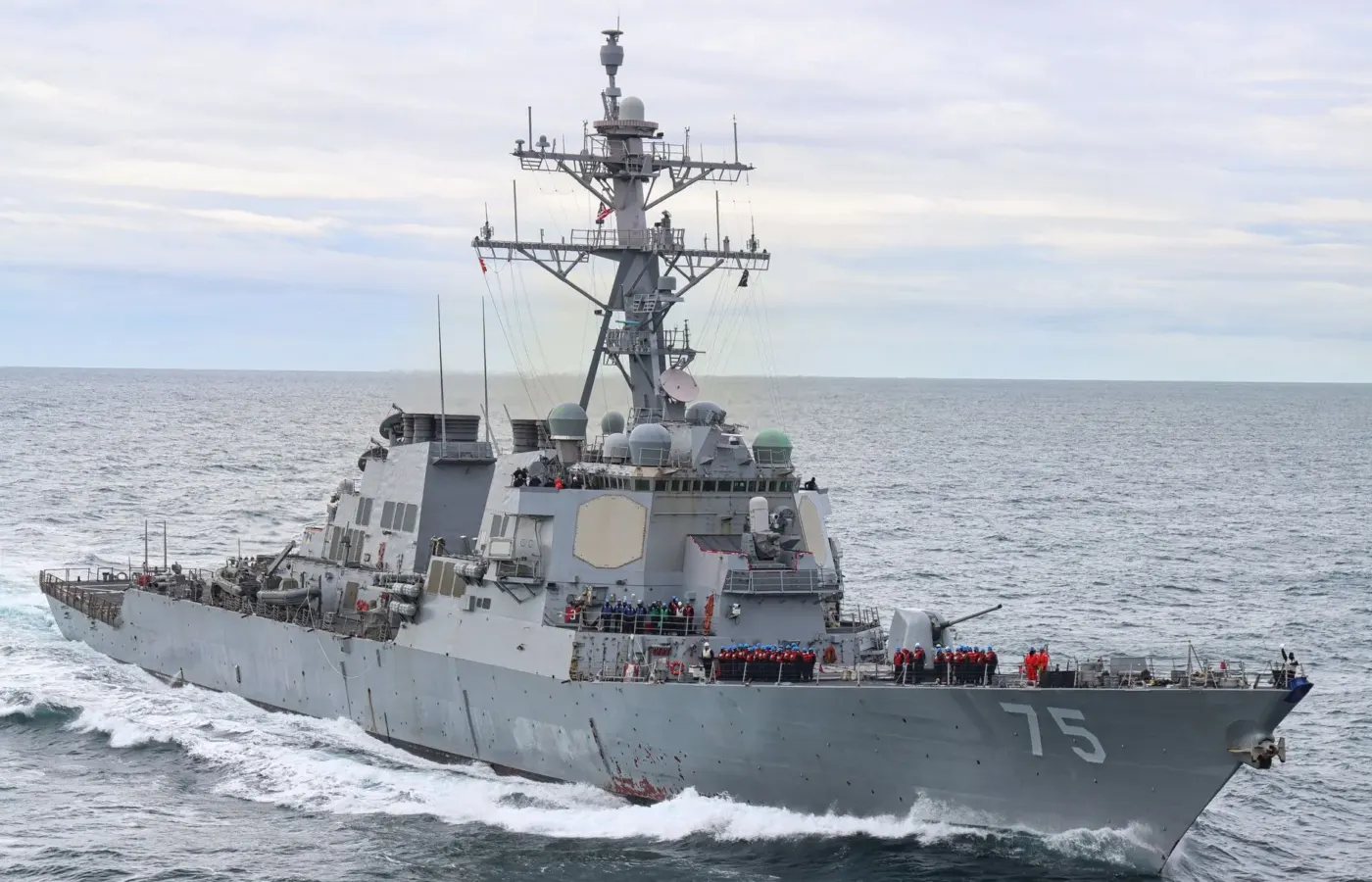
The GAO stated that the relevant companies and the U.S. Navy and Space Force have developed improvement measures, and that additional integrated tests are planned from April to June 2026. A schedule was presented for conducting and completing the at-sea operational tests on a U.S. Navy Arleigh Burke-class destroyer in May 2027.
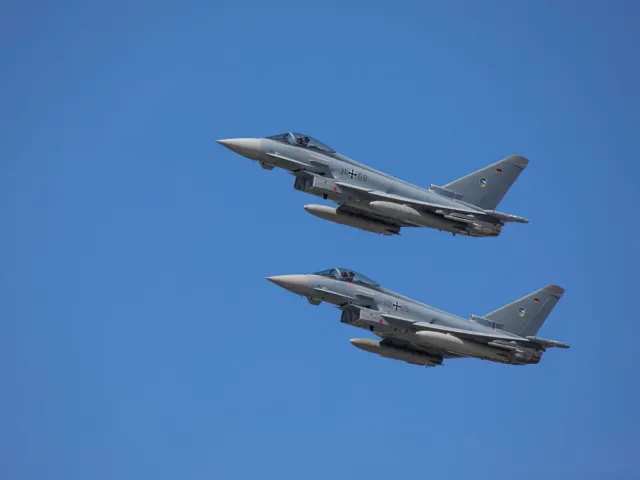
In the aviation sector, the U.S. Army’s MQ-1C Gray Eagle unmanned aerial vehicle received its operational readiness certification in August 2025 and completed operational testing in September. However, while the aviation and maritime versions met the maritime accuracy standards, they did not meet the joint aviation accuracy requirements, and a process for adjusting the requirements is underway.
Therefore, the 2027 schedule does not represent the completion of the M-code transition for all aircraft and ships. It should be understood as the target date for completing the at-sea operational test of the MGUE increment 1 receiver card on a specific leading platform.
Next-generation MAVRC development begins
The U.S. Space Force Space Systems Command announced on July 23, 2026, that it has signed agreements with BAE Systems and Trimble Military & Advanced Systems to support the development of the MAVRC, the next-generation maritime and airborne receiver card, replacing the Air Force Life Cycle Management Center.
This phase includes the creation of documents necessary for requirements development, risk mitigation research, and design concept review. This is the first phase of a two-stage approach that will proceed to prototype development and demonstration, platform integration, and testing.
The MAVRC aims to address the aging problem of existing incremental-1 dedicated semiconductors while providing M-code reception and anti-jamming/deception capabilities to air and naval platforms. However, as of August 2026, the specific production quantities and completion dates have not been announced.
Effects of the M-code in military operations
The M-code receiver enhances resistance to enemy jamming and spoofing by utilizing encrypted military signals. A key feature that distinguishes it from existing military GPS systems is its design, which allows the receiver to determine location using only the M-code and to detect and reject false signals.
To install receivers on aircraft and ships, it is not enough to simply develop the receiver card. It is necessary to go through platform-specific integration procedures, including linking with flight software and combat systems, antenna configuration, airworthiness certification, cybersecurity verification, and actual electronic warfare environment testing.
The Air Force’s business integration and the development of the MAVRC (Multi-mission Advanced Variable Receiver and Control) are measures aimed at standardizing these procedures and reducing the risks associated with transitioning to next-generation receivers. The success of these efforts in the future will depend not only on the performance of the receivers themselves but also on the schedules and budgets for aircraft and ship modifications within each branch of the military.
Frequently Asked Questions (FAQ)
Can M-codes also be used by the private sector?
The M-code is a military GPS signal designed for use by the U.S. military and authorized users. It is distinct from the civilian GPS services provided to commercial airlines and merchant ships.
When will the M-code receiver tests for aviation and maritime applications be completed?
The sea trials for MGUE Increment 1 are scheduled to be completed on an Arleigh Burke-class destroyer in May 2027. This does not mark the completion of the M-code transition for all U.S. military platforms.
Have the M-code receivers for aircraft been tested?
The U.S. Army’s MQ-1C Gray Eagle completed its card certification and operational testing in 2025. However, the joint aviation accuracy requirements for air and maritime applications, and the integration testing for other aircraft, are conducted separately.
What are the differences between MGUE and MAVRC?
MGUE is a project to develop a military-grade GPS receiver card that utilizes the M-code. MAVRC is a next-generation receiver card for aircraft and ships, designed to address the issue of aging semiconductors and is planned to be further developed through prototype production and integration testing.
Can M-code receivers completely block radio interference?
The M-code enhances resistance to jamming and deceptive signals compared to conventional GPS, but it is not a technology that completely eliminates all threats. To increase resilience, it must be used in conjunction with other navigation methods, such as anti-jamming antennas and inertial navigation systems.