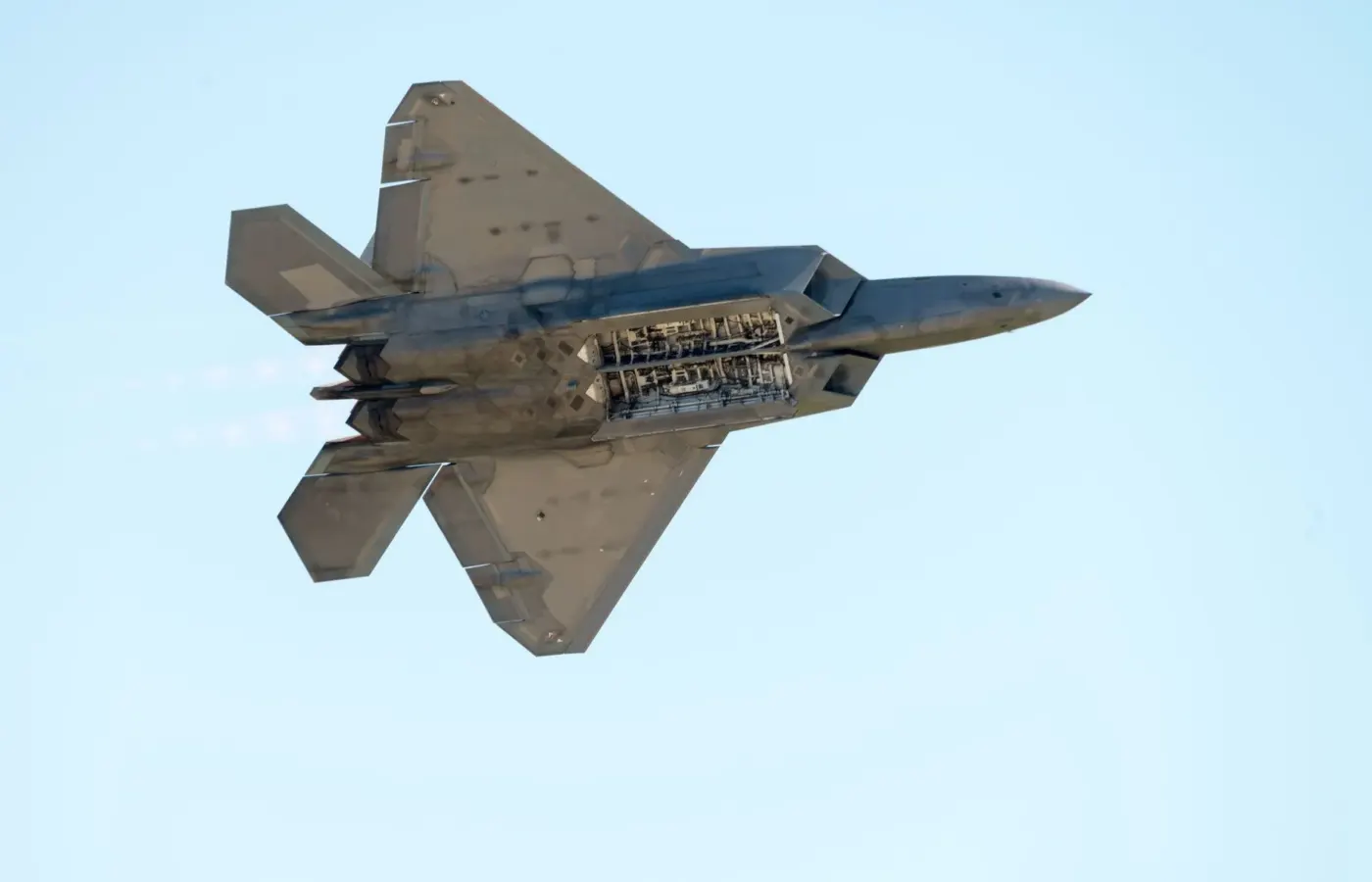
U.S. Commerce Department unveils plan to promote foreign arms sales at the Farnborough Airshow
The U.S. Department of Commerce is pursuing a new strategy to accelerate the purchase of U.S.-made weapons by foreign defense forces. At the recent Farnborough Airshow, William Kimmit, Deputy Assistant Secretary of Commerce for International Trade, highlighted the development of a “priority sales” list as a key objective. This is interpreted as an effort to strengthen the competitiveness of the U.S. defense industry in overseas sales amidst growing global competition in defense capabilities.
Strengthening the Department of Commerce’s advocacy efforts
The Department of Commerce is significantly expanding its role in advocating for the U.S. defense industry. Undersecretary Kimmit stated that she has directly received concerns from U.S. industry representatives that increased defense spending in Europe could shift demand away from U.S. products and towards products from other regions. In response, the Department of Commerce is strengthening a system in which it, along with the Department of State and the Department of Defense, reviews and supports defense industry companies that present opportunities for overseas sales.
Hiro Rodriguez, Director of the Advocacy Center at the Department of Commerce, emphasized that the Department of Commerce does not act as a “business development” entity, but rather provides support after opportunities are presented based on the industry’s judgment. This means that U.S. companies and the government will cooperate while maintaining regulatory neutrality.
Addressing speed issues in the defense sales process
The United States’ foreign arms sales process has long been hampered by its slow speed. While global competitors offer rapid delivery times with government support, the United States has often missed sales opportunities due to its complex advocacy application process. To address this issue, the Trump administration implemented the “American First Arms Transfer Strategy (AFATS)” in February 2026.
According to AFATS, the Department of Commerce, the Department of State, and the Department of Defense are cooperating and have been instructed to compile a list of priority partner countries and priority weapon systems within 60 days. This list will be updated annually, with the goal of increasing the transparency and efficiency of sales procedures.
Last year, U.S. arms export value: $31,800,000,000
The United States’ foreign arms sales are substantial. Last year, the United States exported approximately $31.8 billion worth of weapons through government-to-government sales (FMS) and direct commercial sales (DCS). This serves as a significant source of revenue for the U.S. defense industry and the national economy. It also contributes to strengthening the defense capabilities of allied nations and stabilizing the international security environment.
Historically, since 2009, the U.S. government has approved arms sales to 167 countries, totaling over $1,300,000,000,000. Since 2017, the United States has maintained a 39% share of the global arms export market, solidifying its position as the largest arms exporting nation.
Ministry of National Defense and Department of State: Prioritized Country Designation
Considering the U.S. Department of Defense’s rapid procurement demands and the current production delays, the Department of State and the Department of Defense have designated a list of “priority countries” and “priority weapon systems.” This is expected to improve internal processing speed and streamline production planning. At the same time, the list dedicated to the Foreign Military Sales program (renamed the “intergovernmental transaction list”) has been reduced to provide greater flexibility to allied countries and U.S. industries.
Howard Rootnick, Secretary of Commerce, played a leading role
The Secretary of Commerce, Howard Rootnick, and Deputy Secretary Kimmit have developed four specific priorities under the Department of Commerce’s Advocacy Center. These include reforming defense advocacy policies, streamlining procedures, and strengthening industry collaboration. This policy change is interpreted as an effort to expedite the advocacy application process itself.
Intensified overseas competition and the United States’ response
With the increase in defense spending in Europe, competition among European arms manufacturers is intensifying. Asian manufacturers are also seeking to enter the European market, which is worsening the competitive environment faced by the United States. In this situation, the development of a priority sales list by the Department of Commerce is considered an essential strategy for the U.S. industry to maintain its competitiveness in the international market.
Frequently Asked Questions (FAQ)
Q. What exactly is the Department of Commerce’s “Priority Sales List”?
The list, developed in collaboration with the Department of Defense and the Department of State, specifies strategic partner countries and the priority weapon systems they require. The goal is to establish priorities for sales procedures and expedite the process.
Q. What is the background of the U.S. arms sales reform?
A. Concerns have long been raised that the United States’ foreign arms sales process is complex and slow, putting it at a disadvantage compared to its competitors. The Trump administration initiated a comprehensive reform with the activation of AFATS in February 2026.
Q. What impact does this policy have on allied countries?
A. Ally nations will be able to procure U.S.-made defense equipment more quickly, and the transparency of the procurement process will increase. At the same time, the list of government-to-government transactions will be reduced, providing more options and flexibility.
Q. How has the role of the Ministry of Commerce changed compared to before?
A. The Department of Commerce previously focused primarily on regulating dual-use products, but now it will play a more active role in promoting the overseas sales of defense industry products. Cooperation with the Department of State and the Department of Defense has also been strengthened.
Q. What was the total value of U.S. arms exports last year?
A. As of 2025, approximately $31.8 billion worth of weapons have been exported through FMS and DCS. Historically, since 2009, more than $1.3 trillion worth of weapons have been sold to 167 countries.
Q. When will the actual effects of this policy be observed?
A. The Department of Commerce expects to see results in the short term through streamlining the sales process. It is anticipated that the system will become operational after the Department of State and the Department of Defense designate priority countries and priority weapon systems.