- The ship is almost complete, but the missiles need to be selected again.
- Why hasn’t the NSM been integrated into the LCS?
- The selection of ATMACA is only the beginning.
- The additional costs are focused more on integration than on the missiles themselves.
- The gap between the delivery of warships and their fielding.
- The remaining tasks are the final contract and the testing.
- Frequently Asked Questions.
The ship is almost complete, but the missiles need to be selected again.
The progress of the Malaysian LCS 1 project is 82.9%. However, the anti-ship missiles have not yet been integrated as a fully operational system. This is because the Norwegian-made NSM missiles, which Malaysia has already paid for, are facing export permit issues.
Malaysia has chosen to repurpose the Turkish-made ATMACA, which was originally ordered for other types of vessels, for use on its Littoral Combat Ships (LCS). Secretary of Defense Mohamed Khaled Nordin announced on November 12, 2026, that the Turkish side has been selected, and final procurement negotiations will begin.
However, the key issue is not the name of the missile. It is about when it can actually be fired.
The additional costs are still unknown. There are remaining costs for the launch platform and system integration, and the final contract and operational acceptance dates have not yet been determined.
Why hasn’t the NSM been integrated into the LCS?
Malaysia and Kongsberg Defence & Aerospace signed a contract for the procurement of the NSM (Naval Strike Missile) in 2018. The NSM and its launch system were planned to be installed on the LCS (Littoral Combat Ship). However, the delivery was halted because the Norwegian government did not grant the necessary export permits.
The Malaysian Ministry of Defense stated that a change in Norway’s defense export policy in May 2026 has affected the fulfillment of the contract. Subsequently, negotiations began through diplomatic channels with the Norwegian government.
Although a contract existed, the missiles did not arrive.
The Norwegian side is promoting a policy change that restricts the export of sensitive defense technologies primarily to allied countries and close partners. From Malaysia’s perspective, this means that the contract has been suspended due to issues with export permits. Regardless of which side’s explanation is accepted, the result is the same: the core weaponry for the LCS must be reacquired.
The direct costs related to the NSM (Naval Strike Missile) that Malaysia has already stated it has paid are EUR 126 million, which Bernama reported as RM 583.47 million. Malaysia has sent a claim notice to Kongsberg, demanding compensation of approximately RM 1 billion, including both direct and indirect losses.
However, approximately RM1 billion is not the final compensation amount. It is the amount claimed by the Malaysian government.
If the dispute proceeds to arbitration or court proceedings, the process can take a significant amount of time. The Secretary of Defense stated that it could take 2, 3, 4, or 5 years to reach a resolution.
Compensation may arrive later than the missiles.
The selection of ATMACA is only the beginning.
Malaysia reviewed proposals from Turkey, France, and Italy, using price, delivery schedule, and initial costs as the primary criteria. As a result, Turkey was designated as the preferred negotiation partner for the NSM replacement system.
However, this does not signify the finalization of the contract. The final quantity of ATMACA missiles to be deployed on the LCS, the contract amount, and the delivery schedule have not been publicly confirmed.
Selection and fielding are different.
The method proposed by Malaysia does not involve purchasing all new missiles from the beginning. The Malaysian government has already ordered ATMACA missiles for its navy’s Littoral Mission Ships (LMS). They are considering allocating a portion of that order to the LCS.
The Secretary of Defense stated that the missiles for the LMS (Littoral Mission Ships) are scheduled to be ready in 2028. He explained that once the missiles ordered for the LMS become available in 2028, some of them could be installed on other vessels.
This approach has the potential to reduce procurement burdens. By utilizing already ordered quantities, it is possible to share logistics, training, and maintenance systems, which is more efficient than securing a completely new stockpile of missiles.
However, the LMS and LCS are not the same type of ships. They have different designs and combat management systems. The fact that they ordered the same type of missile does not mean that the integration of the LCS is complete.
Even if there are existing orders, the integration remains.
The additional costs are focused more on integration than on the missiles themselves.
The Malaysian government stated that the cost of integrating the ATMACA missile system into the LCS would primarily be focused on the launch platform and system integration, rather than the cost of purchasing new missiles. However, the Ministry of Defense has not yet disclosed the total additional cost.
The main line of the price list is blank.
The work does not end with the installation of the launch platform. It is necessary to align the interfaces so that the ATMACA and LCS’s SETIS combat system can be connected. Software and testing/certification procedures must also be adjusted.
After the ATMACA missile is installed on the LCS, it is necessary to verify whether the combat system can control the missile. This requires related testing, and a process where the Navy approves the operational deployment.
It has not been confirmed that the ATMACA has been fully integrated and certified with the LCS’s SETIS combat system. Currently, what is confirmed is that Malaysia is conducting further discussions with the Turkish side regarding compatibility and integration.
Being able to mount a missile and being able to fight are two different things.
Therefore, there is no basis to conclude that the delivery date of the LCS 1 vessel, which is December 2026, coincides with the actual operational acceptance date of the anti-ship missiles. Even after the delivery of the vessel, installation, testing, and certification processes may continue.
The Secretary of Defense explained that, if Norway returns the money, it will be used to pay for the new missiles. However, the timing for the recovery of the funds has not been determined. Negotiations are also underway regarding the costs of the launch platform and integration.
The government may also be the first to bear the burden.
The gap between the delivery of warships and their fielding.
The total value of the Malaysian LCS project is RM11.2 billion. As of January 2026, the amount disbursed is approximately RM8.3 billion, which is 74% of the total contract value. As of December 25, 2025, the overall project progress was 75.75%, while the planned progress was 81.57%.
The majority of the project funds have already been disbursed. However, the core anti-ship armament is being re-selected.
The warship is leading the way.
The Malaysian Ministry of Defense has revised the delivery date of the LCS 1 to December 2026. The delivery schedule for the subsequent vessels will continue until 2029.
So, when will the LCS (Littoral Combat Ship) be equipped with actual anti-ship missiles? It is currently difficult to provide a specific date. The most concrete timeframe is 2028, when the ATMACA missile is scheduled to be ready for the LMS (Littoral Mission Ship).
However, it has not been confirmed when a portion of the equipment prepared for delivery in 2028 will be reassigned to the LCS. The completion dates for LCS integration, testing, and operational acceptance are also unknown.
2028 is the target year for preparation, not the date when the LCS fielding is confirmed.
The delivery date of the first LCS (Littoral Combat Ship), scheduled for December 2026, is earlier than the planned readiness date for the ATMACA missile system for the LMS (Littoral Mission Ship), which is 2028. However, how these two schedules will be integrated into the overall fielding process has not yet been determined.
This issue also affects the burden on Malaysian citizens. They may have to bear the costs of the launchers and integration before recovering the costs of the already paid NSM (Naval Strike Missile) systems. Even if the ship is delivered, if the missile system does not function completely, the ship’s anti-ship capabilities may not be fully realized.
It is not yet appropriate to declare the ATMACA selection a failure. Utilizing existing LMS orders may be a realistic option to reduce costs and procurement time. However, a realistic option is different from a proven and validated option.
Currently, what we have secured is the direction.
This is not a completed combat capability.
The remaining tasks are the final contract and the testing.
The first hurdle is the final agreement with Turkey. The quantity, price, delivery schedule, and operational acceptance conditions must be specified in this agreement. The LCS construction and integration companies, along with the companies related to SETIS, must also outline the schedule for integrating the launch platform, interface, and software.
The second hurdle is the testing phase. Simply being installed on an LCS is not enough. The ship’s combat system must control the missile, test launches must be conducted, and the Navy must approve its operational deployment.
It becomes an operational capability only after the testing is complete.
Whether this procedure ends before the delivery of the LCS 1, or continues after the delivery, will determine the timing of its actual fielding. Currently, this schedule has not been disclosed.
The third hurdle is the cost. It remains to be determined whether Kongsberg or the Norwegian government will pay the approximately RM1 billion that Malaysia has requested. If the dispute drags on through mediation or litigation, the question of who will initially bear the costs of the ATMACA procurement and integration will also become a problem.
This case is not a simple missile replacement. It is an example of how a change in export licensing policy has affected an ongoing ship project, its associated costs, and its fielding schedule.
A warship is not completed by the hull alone. Contracts, permits, launch platforms, software, testing, and cost settlements must all be aligned.
The next confirmation point for the Malaysian LCS program is not the name “ATMACA.” It is the final contract, the integration schedule, and the actual date of operational acceptance.
Until that date, it is only a selected missile.
Frequently Asked Questions.
When will the Malaysian LCS (Littoral Combat Ship) be equipped with anti-ship missiles?
The exact dates for fielding are not yet confirmed. While the delivery date for LCS 1 has been revised to December 2026, it is not known whether the integration, testing, and operational acceptance of ATMACA will be completed by that time. The ATMACA missiles for the LMS are scheduled to be ready in 2028, but it has not been determined when a portion of this supply will be allocated to the LCS.
What type of missiles will Malaysia install on its LCS (Littoral Combat Ship)?
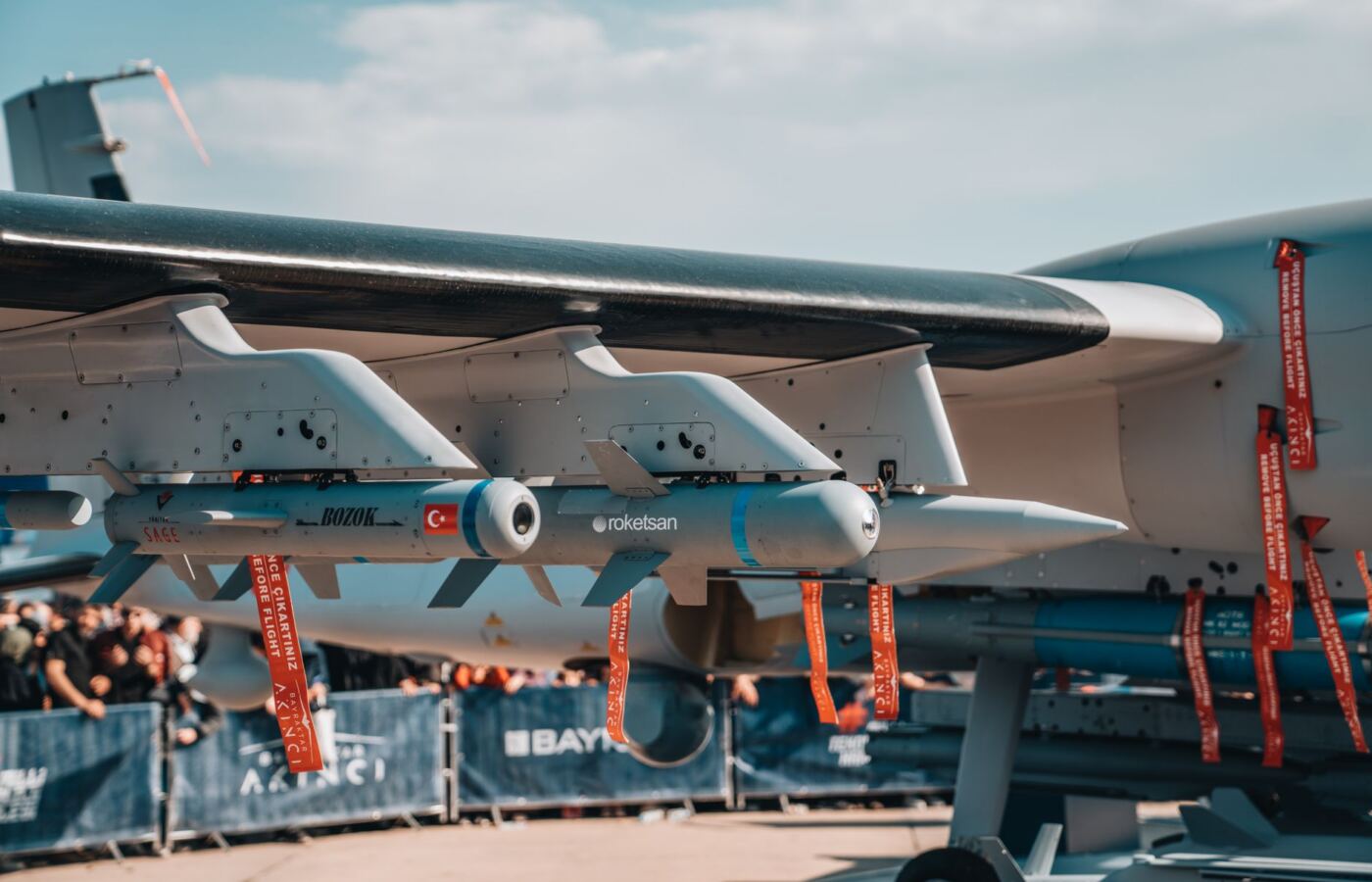
Malaysia has selected the ATMACA missile, manufactured by Roketsan of Turkey, as the preferred negotiating candidate for replacing the NSM (Naval Strike Missile) system. However, the final contract, the quantity for the LCS (Littoral Combat Ship), and the delivery schedule have not yet been finalized.
What is the additional cost associated with the introduction of the ATMACA?
The total additional costs have not been disclosed. The government stated that the costs would be focused on the launch platforms and system integration work, rather than on the purchase of the new missiles themselves.
Can the ATMACA, designed for the LMS, be directly used on the LCS?
Malaysia is considering allocating some of the ATMACA missiles, which it has already ordered for the LMS (Landing Helicopter Dock), to the LCS (Littoral Combat Ship). However, because the ship designs and combat management systems of the LMS and LCS are different, launchers, interfaces, software, and testing and certification are required.
Will Malaysia receive a refund for the money it has already paid for the NSM?
Malaysia is demanding compensation totaling approximately RM1 billion, including both direct and indirect costs. While the direct costs, amounting to EUR126 million, have already been paid, whether the claimed amount will be paid and when it will be recovered have not yet been determined.