Houthi attacks resume, increasing tensions over maritime security in the Red Sea
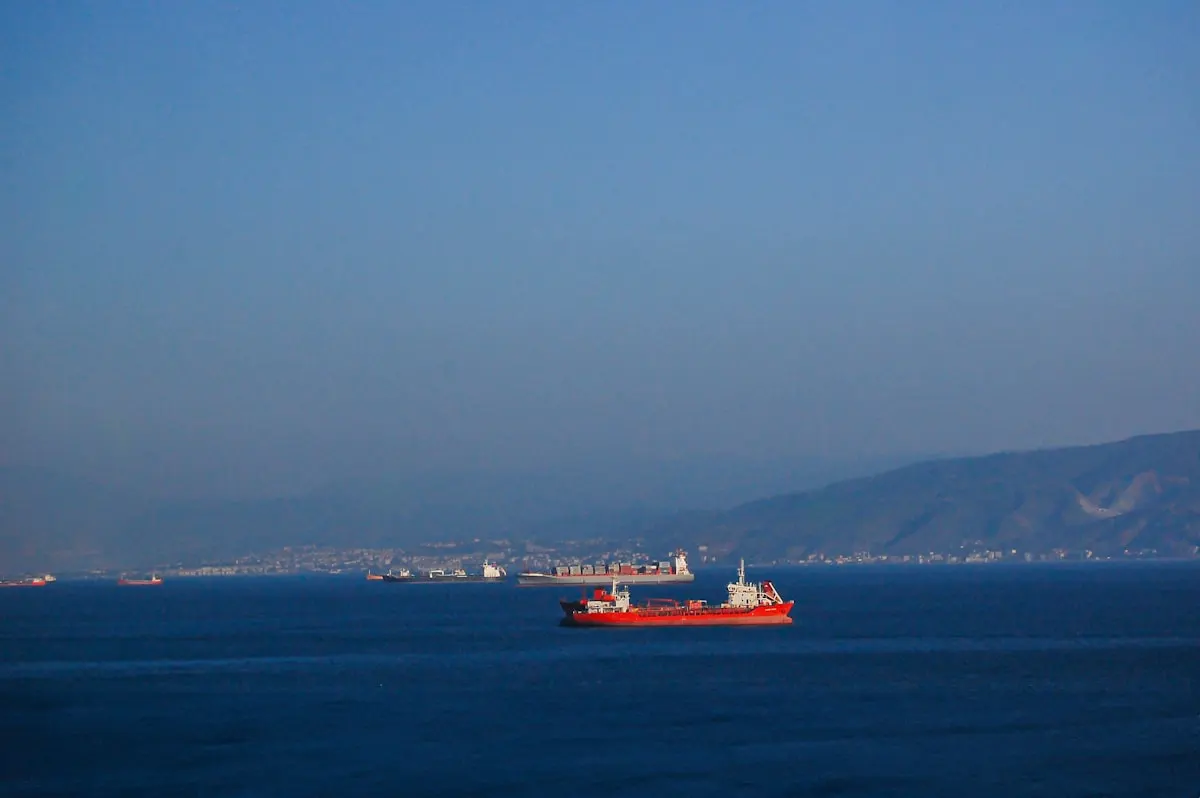
In July 2026, the Houthi forces attacked a Saudi Arabian oil tanker, increasing the risk of maritime security in the Red Sea and the Bab-el-Mandeb Strait. As major ships have changed their routes, the demand for military protection and navigation support from shipping companies has also increased.
The International Maritime Organization (IMO) criticized the attack that occurred in the Red Sea on July 23, stating that it threatens the lives of seafarers, international shipping, the marine environment, and the global supply chain. It also urged shipping companies that use the Red Sea route to conduct thorough risk assessments before transit.
Saudi oil tanker hit by projectile, ship route changes
According to a Reuters report, the Houthi forces claimed that on July 23, as part of a maritime blockade targeting Saudi ships, they attacked the oil tankers *Enselia* and *Laila* with missiles and drones.
Saudi authorities announced that the Encelia was attacked, causing a fire on board, but that all crew members were safe. Claims of an attack on the Layla were not independently verified at the time.
Immediately before and after the attack, significant changes were observed in ship operations. Reuters reported that five oil tankers altered their routes to avoid the Bab-el-Mandeb Strait, and three oil tankers carrying Saudi crude oil, which were heading to Asia, changed course in the Red Sea.
EU Aspides Operation and Ship Protection Request
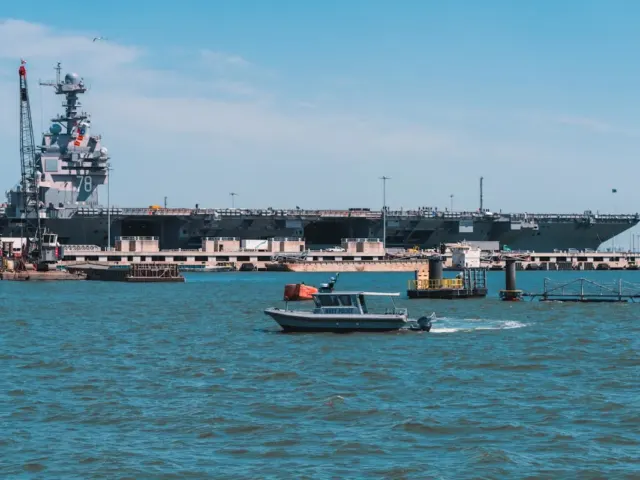
A prominent multinational force conducting merchant ship protection missions in the Red Sea is the European Union’s Operation Aspides. This operation was launched in February 2024 in response to repeated attacks by the Houthis on merchant ships, and its mission is to provide defensive maritime security and ensure freedom of navigation, rather than attacking land-based targets.
According to a statement from the European Union Council, the duration of Operation Aspides has been extended until February 28, 2027. Approximately 15,000,000 euros have also been allocated as the baseline for joint operating costs for a period of one year, starting from March 2026.
Operation Aspides provides guidance to ships and vessels on how to request protection support through the Indian Ocean Maritime Security Centre. The actual method of support is adjusted based on the level of threat, the availability of naval vessels, the location and operating schedule of the ships and vessels, and other operational conditions.
Complex threats that escort ships must counter
Protecting commercial ships in the Red Sea is more complex than traditional anti-piracy measures. Houthi forces can employ a combination of anti-ship ballistic missiles, cruise missiles, explosive drones, and unmanned surface vessels, which necessitates that escort ships possess wide-area surveillance capabilities, rapid target identification, and multi-layered air defense capabilities.
Simply escorting a merchant vessel closely is not enough to eliminate all threats. Because it is necessary to protect multiple ships within a wide operational area, warships alone are not sufficient. Instead, maritime patrol aircraft, early warning assets, information-sharing systems, and self-defense procedures for civilian vessels must all work together.
Impact of the Bab-el-Mandeb Strait disruption on energy supply chains
The Bab-el-Mandeb Strait connects the Red Sea and the Gulf of Aden, serving as the southern gateway for European and Asian shipping routes that utilize the Suez Canal. According to the U.S. Energy Information Administration, the amount of crude oil and petroleum products passing through the strait decreased from 9,300,000 barrels per day in 2023 to 4,100,000 barrels per day in 2024.
The volume of traffic in the first half of 2025 also remained at approximately 4,200,000 barrels per day. This was due to Houthi attacks and high insurance rates, which caused ships to detour via the Cape of Good Hope route in southern Africa.
Saudi Arabia can utilize its east-west oil pipelines and export terminals along the Red Sea to mitigate the risks associated with the Strait of Hormuz. However, if the Bab-el-Mandeb Strait is also threatened, the alternative strategy of using the Red Sea will be constrained, potentially leading to simultaneous increases in transportation time, charter rates, and war risk insurance premiums.
Future tasks for maritime security in the Red Sea
As the demand for merchant ship protection increases, the efficient allocation of limited escort ships and air defense assets becomes increasingly important. Rather than close-range escort of individual ships, collective transit through high-risk areas, real-time sharing of threat information, and the integrated operation of maritime patrol and air defense forces are considered practical solutions.
Shipping companies cannot rely solely on military protection. They must also implement their own risk mitigation measures, including conducting threat assessments before departure, establishing emergency response plans, registering with maritime security organizations, strengthening onboard surveillance, and reviewing the operation standards for automatic identification systems.
Maritime security in the Red Sea is not solely a problem for specific countries or shipping companies. If the Houthi attacks continue, they will have a cascading effect on energy and container transport, the Suez Canal traffic volume, and even the maritime insurance market. Therefore, expanding cooperation between international naval forces and the shipping industry is inevitable.
Frequently Asked Questions (FAQ)
Which Saudi oil tanker did the Houthis attack?
The Houthi forces claimed to have attacked the vessels “Encelia” and “Layla” in July 2026. Saudi authorities confirmed that the “Encelia” was hit and caught fire, but all crew members were safe. The claim of an attack on the “Layla” was not confirmed at the time.
What organization is responsible for protecting commercial ships in the Red Sea?
The European Union’s Aspides operation is carrying out a defensive mission to protect vessels in the Red Sea and the Bab-el-Mandeb Strait. A multinational maritime security force led by the United States is also conducting route monitoring and threat response activities under a separate command structure.
Does a warship always provide close escort if a merchant vessel requests protection?
A request for protection is a procedure that operational authorities use to adjust support. The actual form of support can vary depending on the level of threat, the deployment of warships, the location of vessels, and the planned transit schedule. Therefore, not all vessels automatically receive dedicated escort.
Why is the Bab-el-Mandeb Strait important?
The Bab-el-Mandeb Strait serves as a gateway connecting the Red Sea and the Gulf of Aden, through which ships traveling between Europe and Asia via the Suez Canal pass. It is a strategically important maritime hub for the transportation of crude oil, petroleum products, and container cargo.
What alternative routes are used if the Red Sea is not traversed?
Ships typically choose routes that pass around the Cape of Good Hope in southern Africa. However, this can significantly increase the distance and duration of the voyage, leading to higher fuel costs, charter fees, and expenses for ship supplies.