RIMPAC 2026: Redefining the standards of multinational maritime operations
The multinational maritime exercise RIMPAC 2026 took place from June 24 to July 31, 2026, in the Hawaiian Islands and surrounding waters. According to a statement from the U.S. Pacific Fleet, the exercise involved participation from 30 countries, more than 30 surface ships, 5 submarines, over 206 aircraft, and approximately 30,000 personnel.
RIMPAC is not a single operation targeting a specific country, but rather a joint training exercise that tests whether multiple countries can work together in complex maritime crisis and high-intensity operational environments. However, in a situation where the expansion of the Chinese Navy’s ocean operation capabilities continues, this exercise is interpreted as a venue for assessing deterrence and joint response capabilities in the Indo-Pacific region.
The world’s largest maritime joint training exercise, which began in 1971
RIMPAC was first launched in 1971. According to data from the U.S. Pacific Fleet, it was initially held annually, but due to the expansion of the training scope and the number of participating countries, it transitioned to a biennial schedule starting in 1974. The 2026 exercise was recorded as the 30th RIMPAC.
The primary objective of the training is to maintain cooperative relationships that support the safety of maritime traffic routes and maritime security, and to enhance interoperability among participating countries. A key aspect is the joint assessment of command structures, communication procedures, logistical and medical support, and maritime surveillance in an environment similar to actual operations.
RIMPAC 2026: Size and Participating Countries
The list of participating countries released by the U.S. Pacific Fleet included the United States, South Korea, Japan, Australia, Canada, India, Indonesia, the Philippines, Singapore, the United Kingdom, France, Germany and other European, Asian and Pacific nations. The participants comprised a diverse range of personnel, including not only naval forces but also army and air force units, marines, and medical and disaster-response personnel.
The official theme of this exercise was “Partners: Integrated and Prepared.” The U.S. Navy explained that the exercise aimed to enhance the operational readiness and combat capabilities of participating countries in high-intensity, complex situations, and to connect different equipment and command systems into a single operational network.
Submarine and unmanned systems-enhanced seabed operations
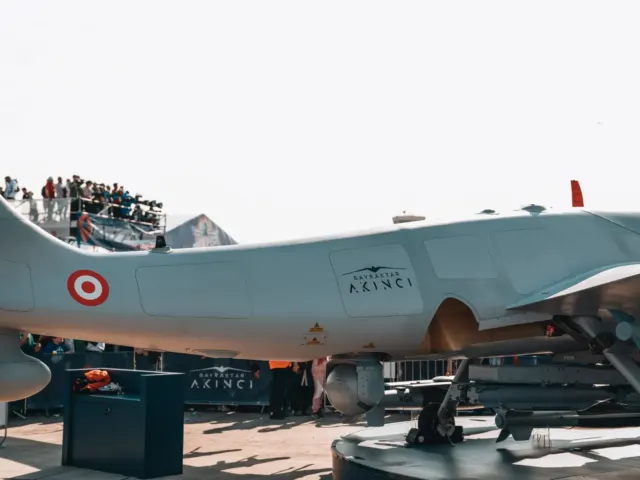
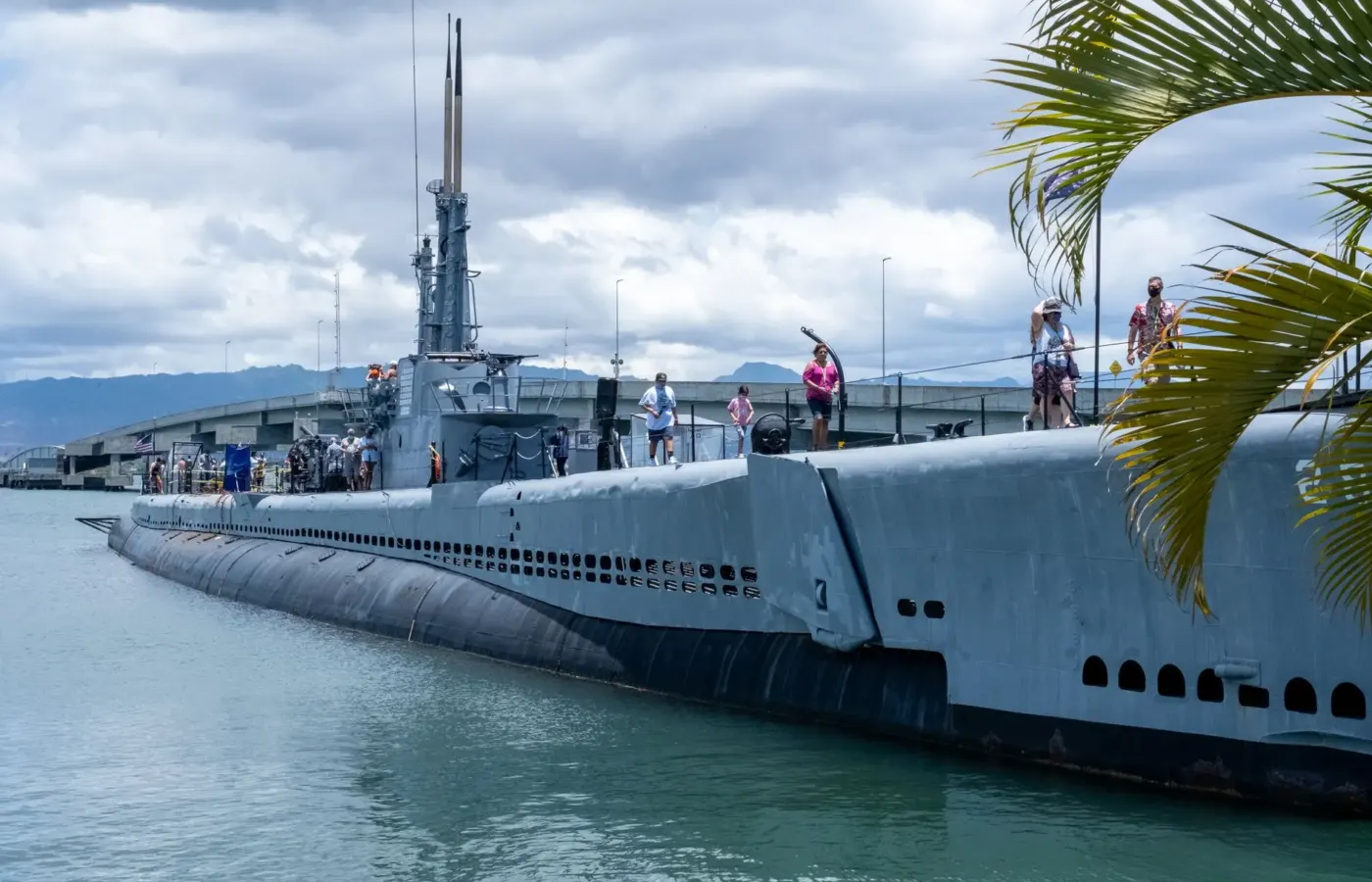
At RIMPAC 2026, submarine operations and anti-submarine warfare, maritime patrol, and the integration of long-range firepower emerged as key areas of interest. The U.S. Pacific Fleet announced that training exercises were conducted using advanced unmanned underwater systems and long-range strike platforms to secure dominance in the underwater domain in a competitive maritime environment.
This reflects the reality that it is difficult to secure maritime control and surveillance solely with a navy centered around large surface warships. In the vast Pacific Ocean, the ability to integrate manned platforms, unmanned systems, air assets, and maritime patrol forces into a single information flow can determine the success or failure of joint operations.
Reasons to interpret it as a strategy for responding to the Chinese Navy
China was not included in the list of participating countries for RIMPAC 2026. Therefore, it is difficult to definitively state that this exercise is an operation specifically targeting the Chinese Navy. The officially stated goals of the U.S. Pacific Fleet are aligned with ensuring the safety of maritime traffic routes, regional stability, and enhancing interoperability among participating countries, rather than being directed at a specific nation.
Despite the expansion of the Chinese Navy’s operations in the open ocean and the deployment of aircraft carriers and submarines, the operational design of RIMPAC is closely linked to the combined capabilities needed to respond to advanced maritime forces, including the Chinese Navy. The method of combining maritime surveillance, anti-submarine warfare, dispersed long-range firepower, and command and control networks can be evaluated as an indirect means of deterring the approach and operational sustainability of the Chinese Navy in crisis situations.
However, experts point out that the effectiveness of RIMPAC should not be viewed simply as the sum of actual combat capabilities. What is important is not which country possesses more warships, but rather how quickly allied and partner nations can share information, make decisions based on the same understanding of the situation, and integrate different weapon systems.
Enhanced realism through firepower and humanitarian assistance training
RIMPAC 2026 covered both combat training and non-combat missions. Participating countries checked not only maritime control and maritime security operations, but also humanitarian assistance and disaster response, large-scale casualty response, medical support, port logistics, and supply procedures.
In the live-fire exercise, a sinking exercise was conducted targeting the decommissioned cruiser USS Mobile Bay and the amphibious assault ship USS Peleliu. This type of training is significant for verifying the process by which multinational forces coordinate across maritime, aerial, and ground platforms to detect and respond to a single target.
In particular, disaster response training demonstrates the scope of RIMPAC, independent of military deterrence. The ability of multiple countries to combine medical, transportation, and rescue capabilities in disaster situations, such as earthquakes, typhoons, and maritime accidents, is a crucial element of peacetime maritime security cooperation.
The future of multinational maritime operations depends on interoperability
The most important message from RIMPAC 2026 is that the importance of connected operational capabilities is greater than the number of platforms. Warships, aircraft, submarines, and unmanned systems must share real-time information, and command authorities from each country must build a common operational picture in order to enable rapid response across the vast Pacific theater.
At the same time, as the number of participating countries increases, the challenges of reconciling differences in communication standards, rules of engagement, information security, supply systems, and political decision-making also grow. RIMPAC serves as a training ground to reveal these issues and as a testing ground to find solutions before actual crises occur.
As competition intensifies surrounding the growth of the Chinese Navy, the United States and its allies and partner nations are likely to place even greater emphasis on the integration of capabilities in areas such as maritime surveillance, anti-submarine warfare, long-range strike, unmanned systems operation, and logistical support. RIMPAC 2026 is a prime example that demonstrates this direction.
The Significance and Future Prospects of RIMPAC 2026
RIMPAC 2026 demonstrated that multinational maritime exercises have evolved beyond simple warship gatherings, encompassing complex command and control, information sharing, and integration across undersea, aerial, and surface domains. The most realistic achievement for participating countries was the validation of joint operational experience and interoperability.
In the future, the strategic value of RIMPAC will be assessed not by a public confrontation posture specifically targeting China, but by how effectively it enables multiple countries to respond together to any maritime crisis. As the security environment in the Indo-Pacific region becomes more unstable, the military and diplomatic importance of such multinational exercises will inevitably increase.
Frequently Asked Questions (FAQ)
When did RIMPAC 2026 take place?
RIMPAC 2026 was conducted from June 24 to July 31, 2026, in the Hawaiian Islands and surrounding waters.
How many countries participated in RIMPAC 2026?
According to a statement from the U.S. Pacific Fleet, the exercise involved participation from 30 countries, more than 30 surface ships, 5 submarines, over 206 aircraft, and approximately 30,000 personnel.
Is RIMPAC a military exercise targeting China?
The official purpose of RIMPAC is to enhance maritime security, the safety of sea lanes, and interoperability among participating nations, rather than to respond to a specific country. However, considering the expansion of the Chinese Navy’s capabilities, some capabilities of this exercise can be interpreted as a foundation for responding to advanced maritime threats, including threats from China.
What are the main training areas for RIMPAC 2026?
The key areas included maritime control, maritime security, anti-submarine warfare, maritime patrol, long-range firepower, operation of unmanned underwater systems, humanitarian aid, and disaster response.
Is RIMPAC held every year?
RIMPAC began in 1971 and was initially held annually. Since 1974, it has been conducted biennially, every two years, to accommodate the expansion of training exercises.