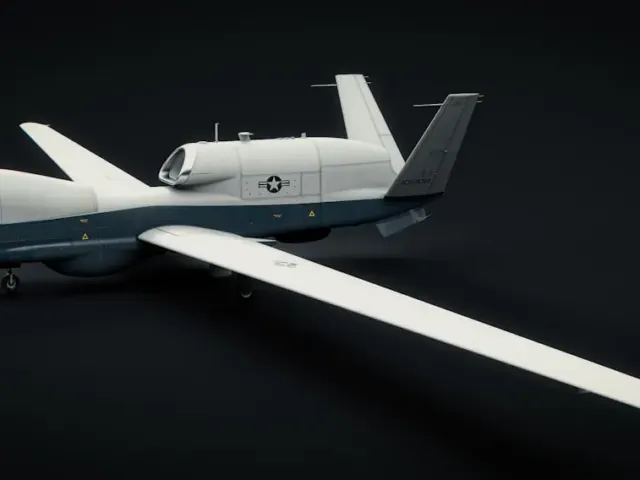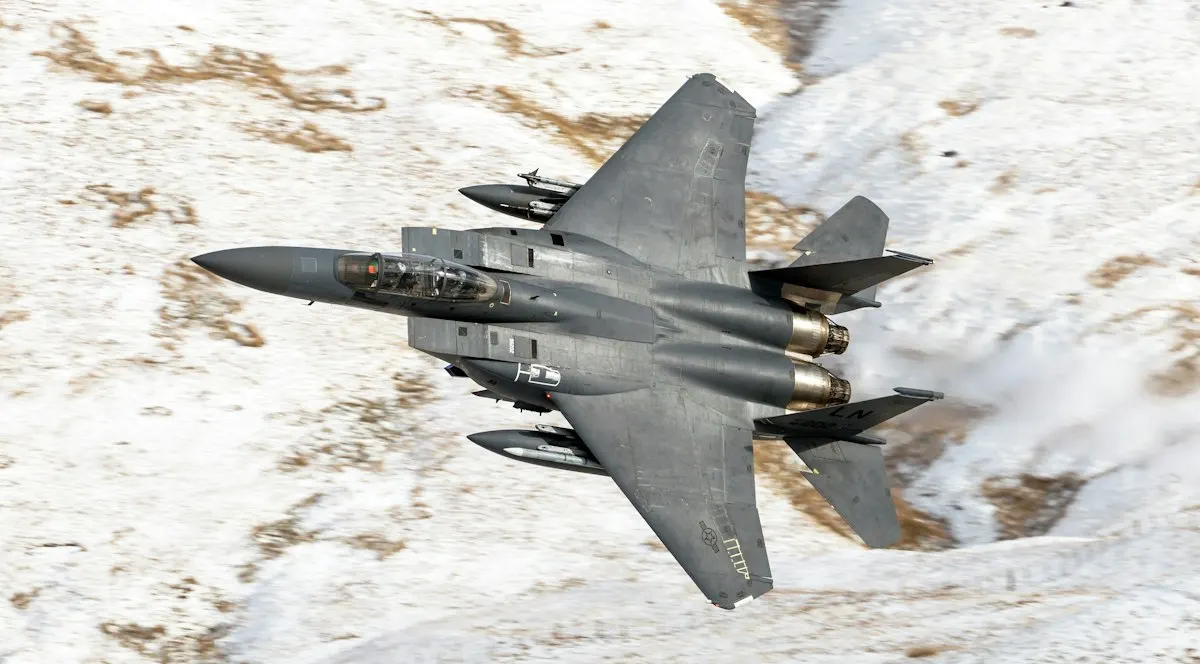
YFQ-44A Fury Flies Alongside the F-35 as CCA Operational Testing Expands
Anduril Industries’ YFQ-44A Fury has flown in the same airspace as an F-35 fighter during U.S. Air Force testing, marking an important step toward validating the concept of Collaborative Combat Aircraft (CCA) operating alongside crewed fighters.
Fury was not directly controlled by the F-35 during the test, however. According to a report by The War Zone, Fury flew using its own mission-autonomy system, while direct control and tasking from an F-35 remain objectives for future testing.
YFQ-44A Fury Flies in the Same Airspace as the F-35
Anduril officials said Fury flew alongside an F-35 during testing conducted by the U.S. Air Force’s experimental operations unit at Creech Air Force Base, Nevada, in July 2026. The test also involved crewed aircraft and another CCA.
During a multiday Agile Combat Employment exercise at Creech, the Air Force evaluated CCA launch operations, maintenance, refueling, rearming and the ability to operate from dispersed locations. An official Air Force release said the exercise focused on operating unmanned platforms under conditions that more closely approximated a real-world operational environment.
The significance of the flight goes beyond a simple formation exercise. Fury used its autonomous capabilities in the same airspace as a crewed fighter, allowing the Air Force to assess safety, communications and mission procedures.
What Is the Fury?
The YFQ-44A Fury is an unmanned combat-aircraft prototype developed by Anduril for the U.S. Air Force’s Collaborative Combat Aircraft program. In 2024, the Air Force selected designs from Anduril and General Atomics to compete in the first phase of the CCA program.
According to Anduril, Fury is being developed to combine flight autonomy with mission autonomy, supporting not only takeoff, cruise and landing but also complex missions in contested environments. Its modular design is intended to allow sensors and weapons to be configured for specific missions.
Fury began flight testing in October 2025 and has since expanded its operational testing with the U.S. Air Force’s experimental operations unit. The July 2026 test also examined procedures for operating the aircraft with limited personnel and equipment.
Direct Control of Fury by the F-35 Is Still to Come
The test demonstrated the potential for crewed and uncrewed combat aircraft to work together, but it did not involve an F-35 pilot directly controlling Fury from the cockpit. According to The War Zone, Fury currently carries out missions under its own Mission Autonomy system, while Air Force personnel operate its autonomous functions through separate procedures.
Anduril plans to pursue what it calls “quarterback integration,” in which a crewed fighter directs uncrewed aircraft. Early concepts under consideration include assigning missions to unmanned aircraft through a tablet-based interface in the cockpit.
If this integration is demonstrated in live flight, a single F-35 could move closer to deploying multiple unmanned aircraft for missions such as reconnaissance, electronic warfare, suppression of air defenses and weapons employment, depending on the tactical situation.
CCA Expands Its Scope Through Weapons Testing and Dispersed Operations
During the July 2026 test, Fury carried out a mission using targeting information provided by an external sensor and demonstrated an end-to-end engagement sequence that included launching an AIM-120 air-to-air missile. Anduril said the test confirmed the links connecting the receipt of targeting data, mission assignment and weapons employment.
The U.S. Air Force’s exercise at Creech also examined how unmanned combat aircraft could be operated with fewer personnel and less support equipment than would typically be available at a permanent operating base. That effort aligns with the Air Force’s plan to disperse CCA platforms from forward bases with limited runways and maintenance infrastructure.
Not all weapons and mission systems have reached the operational deployment stage, however. Sensor and weapons integration for air-to-ground attack, counter-drone missions and cruise-missile defense remains ongoing, alongside air-to-air capabilities.
How Crewed-Uncrewed Teaming Could Change Future Air Warfare
The goal of CCA is to move beyond a force structure that depends on a small number of expensive crewed fighters by combining them with larger numbers of comparatively affordable unmanned aircraft. Unmanned platforms could enter dangerous areas first or extend a fighter’s sensors and weapons, while crewed aircraft assess the broader battle and direct critical missions.
Through CCA, the U.S. Air Force aims to extend the operational reach and sensor coverage of its fighters while gaining the ability to disperse forces in heavily defended environments. The Creech test is significant because it evaluated the concept not in a laboratory, but with operational units and aircraft sharing real airspace.
The key developments to watch will be live-flight tests in which an F-35 directly controls Fury, as well as the ability to operate multiple CCA aircraft at the same time. If those milestones are achieved, the YFQ-44A Fury could evolve beyond an unmanned test aircraft into a central component of a next-generation crewed-uncrewed air combat system.
Frequently Asked Questions (FAQ)
What is the YFQ-44A Fury?
The YFQ-44A Fury is an unmanned combat-aircraft prototype developed by Anduril Industries for the U.S. Air Force’s Collaborative Combat Aircraft program.
Was the YFQ-44A Fury controlled by an F-35?
Not yet. Fury flew using its own mission-autonomy system during the test, while direct control by an F-35 remains a goal for future testing.
Why is it important that Fury and the F-35 flew together?
The test examined whether a crewed fighter and an unmanned combat aircraft could safely operate and conduct missions in the same airspace. It represents a foundation for future crewed-uncrewed teaming.
What missions can the YFQ-44A Fury perform?
Fury is being developed for a range of missions, including air-to-air combat support, reconnaissance and surveillance, sensor extension, electronic-warfare support and air-defense operations. Its specific capabilities will be validated in stages through further testing and weapons integration.
When will Fury enter operational service?
Fury is currently undergoing testing of its flight and mission autonomy, weapons employment and dispersed-operating procedures. A specific fielding timeline will depend on follow-on acquisition decisions by the U.S. Air Force and the results of testing.
How is CCA different from existing unmanned aircraft?
Unlike traditional unmanned aircraft designed primarily for surveillance and reconnaissance, CCA platforms are designed to work alongside high-performance fighters, conduct autonomous missions and support air combat operations.