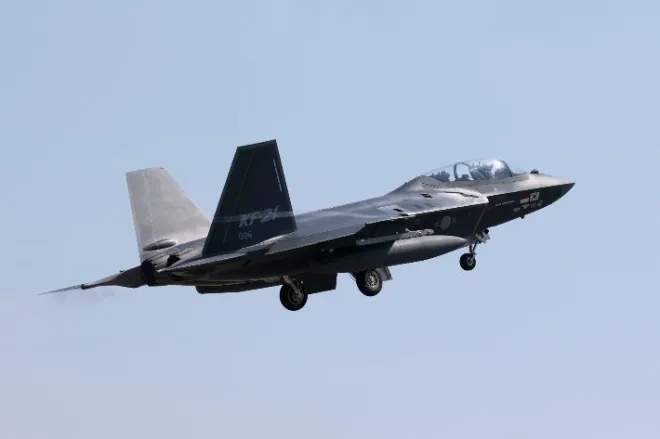
Are we going to give the technology we developed with hard work and dedication to Indonesia at a low price? To a country that has even stolen technology?
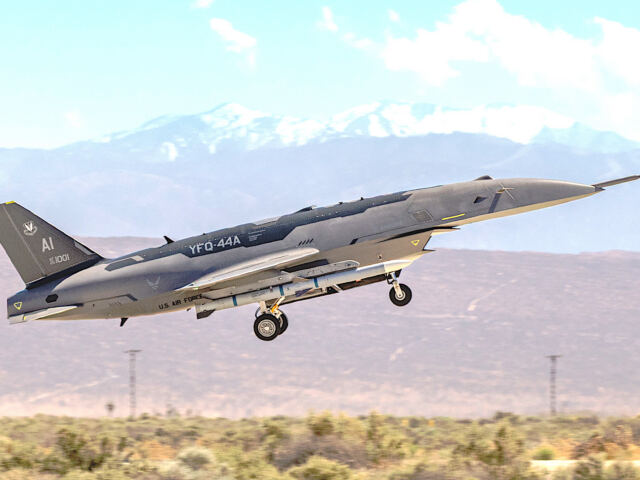
Transferring the fifth prototype of the KF-21 to Indonesia is a carefully calculated diplomatic and defense industry strategy that maximizes national interests. It allows for the expansion of defense exports and the securing of long-term maintenance, repair, and overhaul (MRO) markets, while strictly preventing the sharing of core source technologies.
The government of the Republic of Korea and Indonesia reached a practical agreement to reduce the existing contribution of 1,600,000,000,000 won to 600,000,000,000 won. In return, the value (scope of technology) being transferred will be significantly reduced accordingly.
Despite the reduced cost-sharing, the fact that the actual aircraft is being transferred raises concerns about potential technology leakage within the country. However, a careful analysis of the characteristics of modern aerospace technology and the terms of the contract reveals that this is a choice that ultimately benefits all parties involved.
This analysis will examine the potential ramifications of the issue, the possibility of replication through reverse engineering of the “Sijeogi,” and which approach – “transfer of the Sijeogi” or “provision of the core technology” – would be more beneficial to the national interests of South Korea.
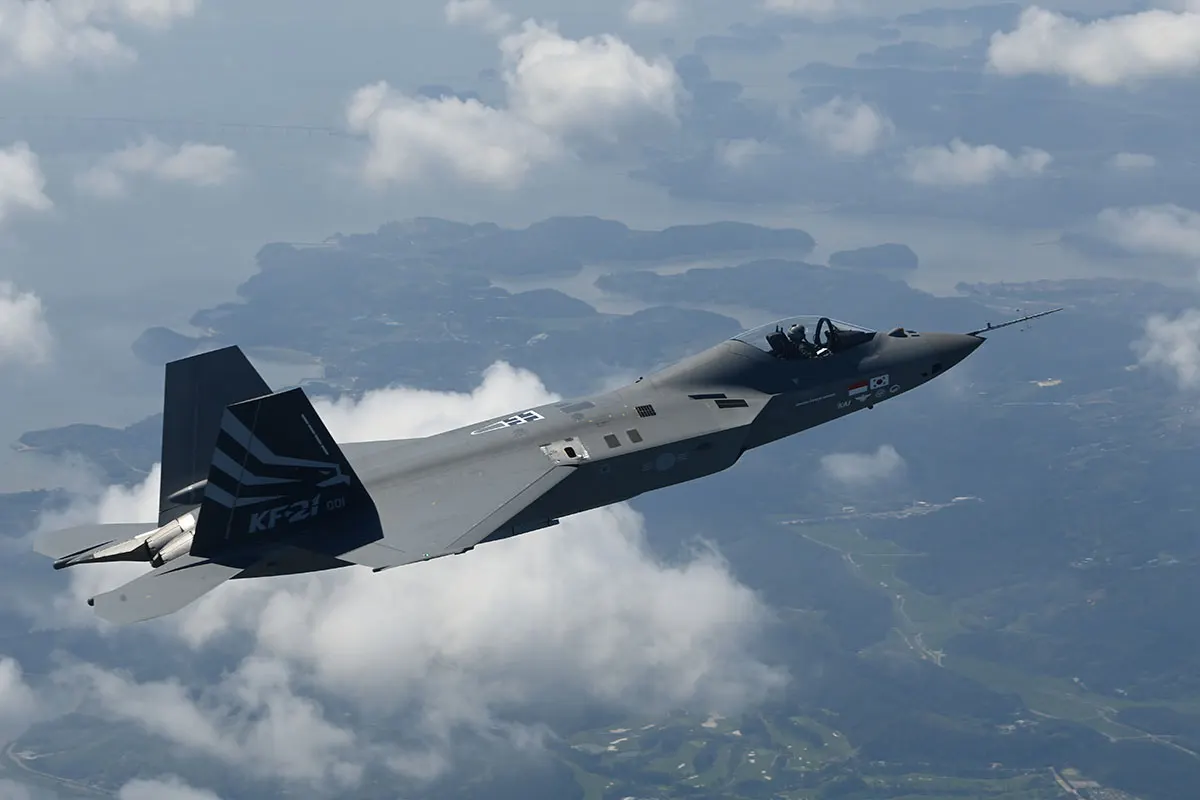
1. Domestic and international implications of Indonesia’s sovereign wealth fund
The delivery of the fifth KF-21 prototype to Indonesia is not merely a simple transfer of weapons; it has a significant impact on the dynamics of the Southeast Asian defense market and South Korea’s global defense strategy.
- Securing a foothold in the Southeast Asian defense market: Indonesia is a leading nation in Southeast Asia, possessing the largest territory and population. When the actual KF-21 aircraft reaches the Indonesian Air Force and begins operation, it will have a strong marketing effect on neighboring countries such as the Philippines, Malaysia, and Thailand. In particular, Malaysia, which competes with Indonesia in the defense and arms sector, is almost obsessively focused on acquiring comparable weapons. A prime example of this is the FA-50 fighter jet.
- This contract and additional exports: The Korean government is pursuing a contract for the export of 16 KF-21 fighter jets to the Indonesian Air Force, linked to this technology transfer measure. The delivery of the KF-21 jets will have a “lock-in” effect, preventing Indonesia from withdrawing from the KF-21 program.
- Early training of pilots and maintenance personnel: If Indonesia receives the aircraft in advance and begins operational verification tests and personnel training, the rate at which mass-produced aircraft can be deployed will increase. This strengthens the bond with the Korean defense industry ecosystem. As you know, there are strange organizations, such as the Korea Defense Research Institute (KIDA), that constantly try to reduce the budget, hindering the mass production process. This organization is a mysterious entity whose purpose and beneficiaries are unknown, and it wastes taxpayer money. Along with the Fair Trade Commission, it may be one of the most desirable positions for civil servants, while simultaneously being detrimental to the country. It is a truly deplorable organization that seems to believe only they are intelligent, while everyone else is foolish. I wonder if these people, who frequently travel abroad using taxpayer money, truly understand the hard work and dedication of the engineers who work day and night. If they did, they wouldn’t be able to make such nonsensical statements without a second thought.
2. Detailed analysis of the potential for disassembly, replication, and technology leakage
In response to the question of whether it is possible to reverse-engineer and replicate a system by taking it apart, or to leak the technology to a third country (e.g., North Korea, China), aerospace experts assert that it is absolutely impossible to replicate a modern, state-of-the-art 4.5-generation fighter jet simply by disassembling it.
① Limitations of “Black Box” Sealing and Reverse Engineering
The key components that serve as the “brain” and “heart” of the KF-21 are delivered in a strictly sealed “black box” format, both in terms of hardware and software.
- AESA radar and electronic warfare equipment: Key components, including the active electronically scanned array (AESA) radar, which was developed using domestic technology, are designed such that any attempt to disassemble them or open their internal circuits will automatically erase internal data or permanently lock the system.
- Absence of Source Code: For fighter jets, the “mission computer software” (source code) that controls the aircraft is the core component, more critical than the aircraft’s physical form. No matter how much one examines the aircraft’s surface or internal wiring, it is impossible to discover the millions of lines of flight control and weapons integration source code that reside within the computer. Providing a “prototype aircraft” is like giving someone a “physical smartphone device,” but it is not the same as providing the “original design specifications” (source code) for the operating system.
② Weakness in Indonesia’s aerospace technology infrastructure
To reverse engineer and replicate a weapon, it is necessary to have the corresponding foundational scientific knowledge, materials engineering capabilities, and precision manufacturing skills.
- The Indonesian state-owned aerospace company (PTDI) possesses technology only at the level of assembling small to medium-sized transport aircraft or helicopters. It lacks the capacity to replicate the advanced technologies required for supersonic fighter jets, such as radar signal processing, stealth coating, and specialized titanium alloy processing.
- If an attempt at reverse engineering damages the aircraft, there is a high risk that it will become a useless “scrap metal” that cannot fly without Korean technical support. Therefore, Indonesia cannot easily damage the aircraft.
- Considering the poor maintenance record of the Indonesian military, which has even sunk submarines despite their advanced design, it is possible that even if they were given the blueprints, they might not be able to manufacture them properly. India was granted a license to produce the K9 self-propelled howitzer, but the defect rate is so high that components are imported from South Korea and only assembled locally. Turkey is no different. Indonesia is also no exception. Ultimately, it all comes down to the people, and the quality of those people determines a nation’s competitiveness.
③ Security controls and oversight by the U.S. Air Force and the government
The KF-21 is equipped with American-made engines (F414) and some American-made components, and is therefore subject to the United States’ “Export Control” regulations.
- Not only the Korean government, but also strong security inspectors from the United States will be stationed at Indonesian bases or will conduct regular asset audits.
- If Indonesia is found to have disassembled the aircraft without authorization or allowed personnel from a third country to access it, the supply of U.S.-made components and engines will be immediately cut off, which would paralyze the operation of all fighter aircraft in the Indonesian Air Force, making such actions extremely risky.
3. “Technology Transfer” vs. “Sharing of Core Technology”: A Comparative Analysis of National Interests
In response to Indonesia’s reduction in its contribution (from 1,600,000,000,000 won to 600,000,000,000 won), South Korea had two strategic options.
One option is to transfer a physical aircraft (a prototype), while the other is to provide technical data such as blueprints or source code, without transferring the aircraft itself.
From the perspective of South Korea’s long-term national interests, a direct comparison of the two options shows that transferring the aircraft carrier is overwhelmingly more advantageous.
| Comparison items. | Option A: Physical transfer of the Seji-gi 5th generation aircraft (final adoption). | Option B: Sharing a portion of the core technology data. |
|---|---|---|
| Protection of technological assets | Excellent (The core source code and the underlying radar technology are thoroughly protected). | Vulnerability: (Once design documents and technical documents are compromised, it is impossible to prevent their replication and leakage to third countries.) |
| Subordination and control | Strength (Continued reliance on South Korea is necessary for maintenance parts and software updates.) | Weakness (After absorbing the technology, there is a possibility of pursuing independent development or completely withdrawing from the business). |
| Economic benefits (MRO). | Very high (This is due to the effect of having established a leading position in the maintenance and repair market for decades). | Low (Due to attempts at achieving technological self-sufficiency, there is a possibility of a decrease in the demand for Korean defense industry components). |
| Military utility | No impact on South Korea (The aircraft has completed domestic testing and evaluation, and its military value has decreased.) | Significant domestic impact (Damage to exclusive defense intellectual property rights developed with investments of trillions of won). |
Why does “time-sharing of military assets” benefit the national interests of the Republic of Korea more?
- Blocking the spread of technology leaks: Intellectual property (design documents, software algorithms) can be easily copied and disseminated to hostile countries such as North Korea and China in an instant, simply by being stored on a single USB drive. In contrast, large combat aircraft are physically controllable and are virtually impossible to replicate. Therefore, protecting intellectual assets and providing physical weapons is much safer from a security perspective.
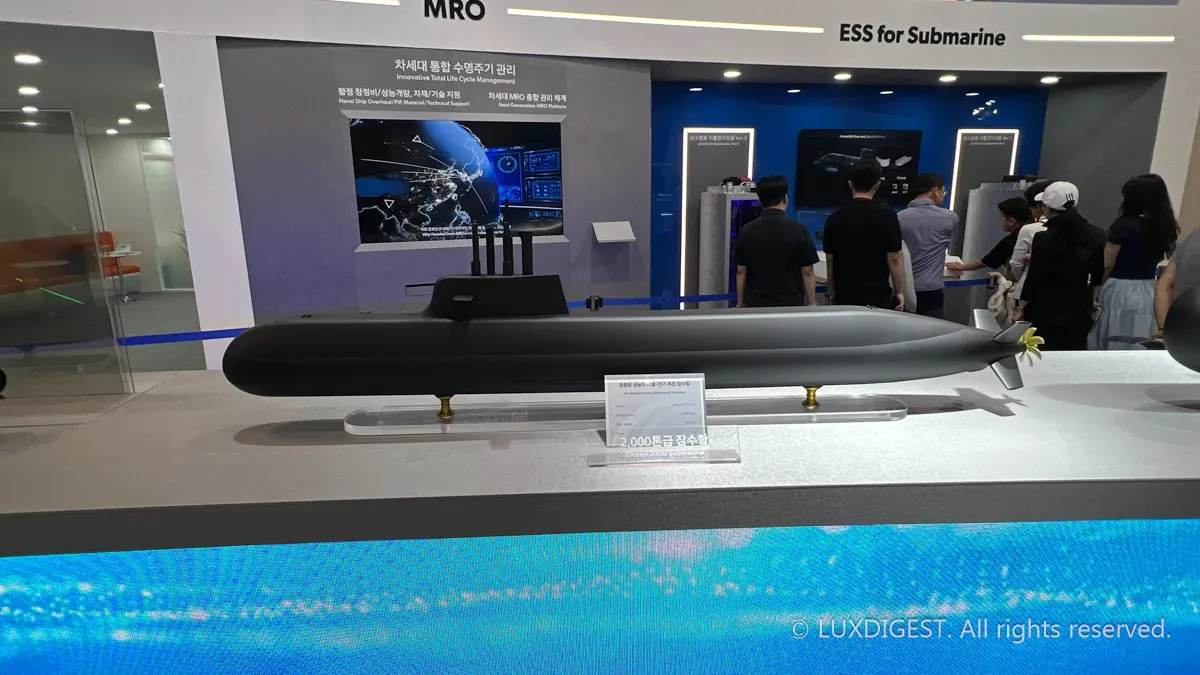
- The enormous “defense MRO (maintenance, repair, and overhaul)” market is dominated by a single entity: the maintenance and repair costs for fighter jets are 2 to 3 times higher than the purchase cost, and this expense is incurred over a 30 to 40-year operational period. When Indonesia begins operating the fifth CN-235 aircraft, it must purchase everything from a single tire to the smallest sensor components and even core maintenance services from Korea Aerospace Industries (KAI). While they might be able to repair the aircraft themselves if they possess the technology, providing the aircraft itself ensures that Korea receives payments for maintenance services each time, guaranteeing long-term commercial benefits.
- Proper handling of disposal costs: The KT-500 aircraft has already successfully completed core flight tests for the Republic of Korea Air Force (AESA radar, aerial refueling, etc.). Transferring an aircraft with limited military utility, having achieved its purpose during the domestic system development process, to Indonesia for a valuation of 350,000,000,000 won, is a shrewd accounting and strategic move for South Korea, allowing it to utilize existing assets to offset debt obligations.
4. Conclusion and Recommendations
Contrary to some public concerns, the plan to deliver a KF-21 prototype to Indonesia is not a “giveaway contract” that risks technology theft.
Rather, in keeping with Indonesia’s depleted finances (a 600-billion-won charge), this is a highly sophisticated, pragmatic form of diplomacy: hiding away the ‘goose that lays golden eggs’—the sharing of source technologies—and handing over just one egg laid by the goose (an actual aircraft) to make Indonesia a customer dependent on our defense-industry ecosystem for life.
However, given past incidents such as the unauthorized attempt by Indonesian technicians to export USB devices, which revealed security vulnerabilities, the government and the Defense Development Agency must strictly enforce security guidelines before and after the delivery of the aircraft.
To ensure that the transfer of these aircraft is a complete success for the national interest of the Republic of Korea, it is essential to thoroughly establish subsequent institutional safety measures, including regularly checking the sealing status of the black boxes within the aircraft and clearly defining the right of the Korean side to conduct on-site inspections of the security areas within the Indonesian base.