GE Aerospace to supply 12 LM2500+G4 engines for 6 KDDX ships
GE Aerospace will supply 12 marine gas turbine engines to South Korea for the 6 units of the Korean next-generation destroyer (KDDX) being developed for the Republic of Korea Navy. According to GE Aerospace, each warship will be equipped with 2 LM2500+G4 engines, which will support the warship’s power operation and propulsion efficiency when combined with the integrated electric propulsion system.
However, GE’s announcement detailed the engine supply plan, but the specific supply amount was not disclosed. The detailed design of the KDDX and the construction of the lead ship were officially initiated through a contract between the Defense Acquisition Program Administration and Hanwha Ocean in July 2026, with the goal of delivering the lead ship to the Navy in 2032.
KDDX: The core power of the Korean-type Aegis destroyer program
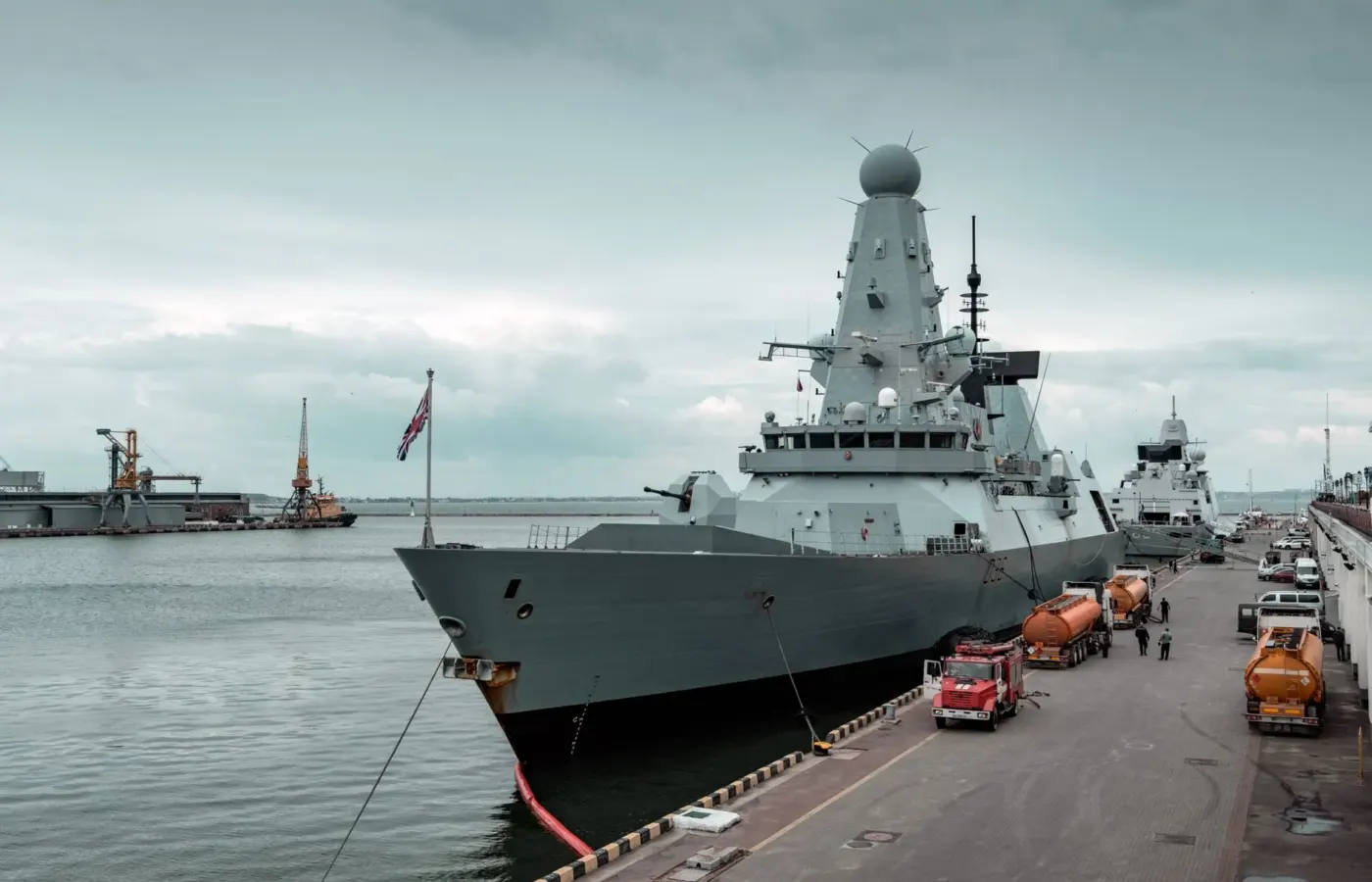
The KDDX is a Korean-built next-generation destroyer, constructed by consolidating the nation’s shipbuilding and weapons system development capabilities. The Defense Acquisition Program Administration describes the KDDX as the first Korean-built Aegis destroyer. It is pursuing the domestic production of key equipment, including the combat system, multi-function phased array radar, sonar system, and ship-to-air guided missiles.
The project aims to secure a core surface combat capability for the Republic of Korea Navy’s maneuver fleet. The KDDX will incorporate an automated ship control system and an electric propulsion system, and will be developed as a multi-mission warship capable of performing various tasks, including air defense, anti-submarine warfare, and surface and land attack.
According to the Defense Acquisition Program Administration, the budget for the detailed design and construction of the lead ship for the KDDX program, including value-added tax, is approximately 882,000,000,000 won, and the project will be carried out for 71 months from the date of contract signing. The entire project, including subsequent ships, is planned to involve a total of 6 ships.
LM2500+G4, 35.32 MW class marine gas turbine
The LM2500+G4 is a model in GE’s LM2500 series with increased power and efficiency. According to GE Aerospace materials, its output under international standard conditions is 35.32 MW, reaching 47,370 shp in horsepower terms. This is higher than the “30,000 horsepower” stated in the initial draft.
This engine, developed based on gas turbine technology for aircraft, is a marine engine that adopts a modular structure, making maintenance and parts replacement relatively easy. GE highlights the split design of the compressor casing and on-site maintenance capabilities as key maintenance advantages.
Integrated electric propulsion system and operational flexibility
The LM2500+G4 engine, applied to the KDDX warship, is integrated with the warship’s integrated electric propulsion system. GE stated that this configuration offers advantages not only in propulsion but also in terms of power supply within the warship, power reserves for future equipment upgrades, and redundancy in the propulsion system.
Furthermore, GE announced that it will apply a lightweight composite material enclosure to the engines for the KDDX. According to company data, compared to the existing steel enclosure, this reduces the weight by more than 2,500 kg and improves noise levels and the thermal environment around the crew.
Expanding Cooperation Between South Korea’s Defense Industry Ecosystem and GE
This supply also includes domestic production and maintenance capabilities. GE Aerospace announced that its Korean partner, Hanwha Aerospace, will participate in the production of engine components, assembly and testing, and domestic service support. This is significant in terms of supporting the domestic operation of key equipment and securing maintenance infrastructure.
GE stated that to date, the Republic of Korea Navy has adopted 163 units of its marine gas turbines for 95 ships. If the KDDX supply proceeds as planned, the cooperation between GE and the Republic of Korea Navy in the naval vessel sector, which has been centered around the LM2500 series, is expected to expand into the next-generation electric propulsion system area.
The KDDX program, with the goal of delivering the lead ship in 2032, has entered the detailed design and construction phases. In the future, the design verification and performance evaluation of the lead ship, the construction schedule of the follow-on ships, and the actual operational performance of the integrated electric propulsion system are expected to be key areas of focus for the project.
Frequently Asked Questions (FAQ)
What kind of warship is the KDDX?
The KDDX is a Korean-type next-generation destroyer program being pursued by the Republic of Korea Navy. It is being developed as a Korean-type Aegis destroyer, integrating combat systems, radar, sonar, and guided weapons based on domestic technology.
How many engines will GE Aerospace supply for the KDDX?
GE Aerospace plans to supply 12 LM2500+G4 marine gas turbine engines for the KDDX program, with 2 engines to be installed on each warship.
What is the output of the LM2500+G4?
The output based on the international standard conditions specified by GE Aerospace is 35.32 MW, or 47,370 shp in horsepower.
What propulsion system will be applied to the KDDX?
The KDDX warship is planned to incorporate an integrated electric propulsion system. The LM2500+G4 gas turbine will be used as a core power source, responsible for the warship’s propulsion and power supply.
When will the lead ship of the KDDX class be delivered to the Navy?
The Defense Acquisition Program Administration has set a goal of delivering the KDDX lead ship to the Navy in 2032.
Source:
- ROKN Selects GE Aerospace to Power New KDDX Destroyer | GE Aerospace News
- GE Aerospace to provide marine gas turbine engines for South Korea’s KDDX destroyers – Breaking Defense
- Press Release (Detailed) – Commencement of Detailed Design and Construction of the lead ship of the Korean-style Destroyer (KDDX). | Defense Acquisition Program Administration
- LM2500+G4 | GE Aerospace