Key discussion topics and issues not fully addressed this week
This week’s Bunker Talk comprehensively examined major issues in Korean and international society. The discussion focused on urgent social problems such as the intensification of natural disasters caused by climate change and the deepening of social inequality. Additionally, we will also address changes in international affairs and new trends in the fields of culture and the arts that were not covered.
The increasingly severe climate crisis and the reality of complex disasters
Over the past 5 years (2021-2025), the average number of hot days nationwide has increased by 2 to 3 times compared to the 1970s, and the number of tropical nights has also increased nearly threefold. Extreme weather phenomena are no longer an exception. The frequency of rainfall exceeding 100 mm per hour has increased threefold in the past 5 years compared to the 1970s.
A particularly noteworthy point is the increasing reality of “multiple disasters,” where several natural disasters occur simultaneously or in rapid succession, going beyond a single disaster. According to the Ministry of Public Safety and Administration, from 2020 to 2025, there were a total of 13 days when both the heat wave and heavy rainfall disaster control headquarters were simultaneously activated. This number was 2 days in 2023, 3 days in 2024, and 8 days in 2025, increasing year by year.
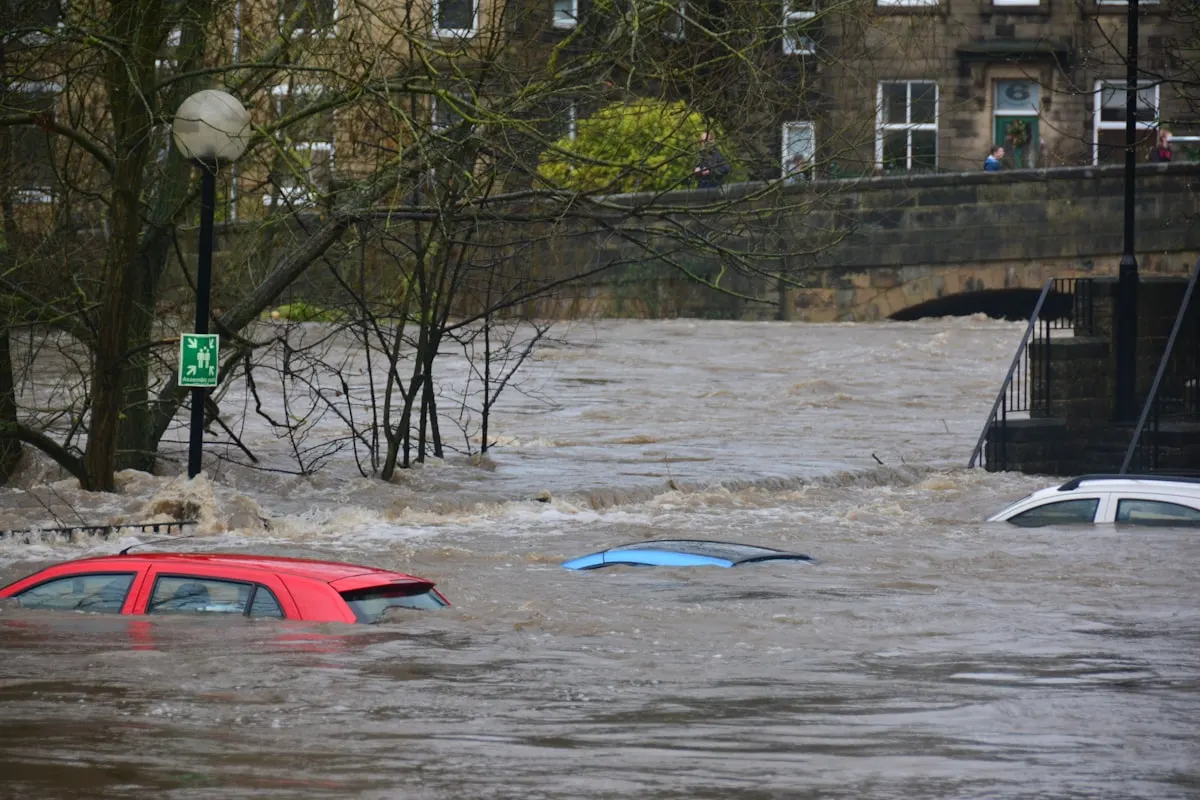
In July 2024, Gwangju recorded a record-breaking rainfall of 426 mm in a single day, and major cities such as Seoul and Chungcheongnam-do experienced heavy rainfall of over 300 mm, resulting in widespread flooding. In response to these disaster situations, the government’s response system is also evolving, with the percentage of citizens immediately evacuating after the issuance of disaster-related heavy rain warnings and emergency disaster text messages increasing by 20 to 30 percentage points compared to before.
Inequality exacerbated by educational and wealth disparities
Social inequality remains a structural problem in Korean society. In particular, inequality is clearly evident in the education sector. The gap in after-school tutoring expenses between households with incomes below 2,000,000 won and those with incomes above 8,000,000 won increased from 390,000 won in 2017 to 530,000 won in 2023.
Students from high-income households, with a monthly average income of 8,000,000 won or more, spend an average of 676,000 won per student on private education each month. In contrast, students from low-income households, with a monthly income of less than 3,000,000 won, spend only 205,000 won, resulting in a gap of approximately 3.3 times. Research findings indicate that, within the structural problem of widening wealth inequality, the influence of family background on academic achievement is also expanding in the education sector.
The percentage of children (ages 0 to 18) receiving basic livelihood benefits increased from 4.4% in 2015 to 4.6% in 2022. The number of individuals in their 20s and 30s receiving basic livelihood benefits increased from approximately 190,000 in 2006 to approximately 240,000 in 2023.
International geopolitical instability and South Korea’s diplomatic challenges
The intensifying conflicts on the international stage also warrant attention. The Middle East situation in 2026 is expected to continue with instability and uncertainty. The conservative stance of the Netanyahu coalition government, which aims for a “Greater Israel,” could potentially lead the situation back to a state of conflict. The roles of major regional players, including the United States, Saudi Arabia, Türkiye, and Iran, are expected to become increasingly important.
ASEAN, which has maintained a neutral stance between the United States and China, is likely to strengthen its engagement with China as the United States reduces its influence and involvement in the Southeast Asian region. Based on South Korea’s comprehensive strategic partnership vision with ASEAN, practical cooperation between South Korea and ASEAN is expected to accelerate, including responses to transnational crimes such as the spread of online scams, and negotiations for revising the Free Trade Agreement (FTA).
Cultural and artistic changes driven by digital technology and diversity
The field of culture and arts is also rapidly changing. Due to changes in the population structure, shifts in the labor structure caused by digitalization, conflicts and animosity between generations, social classes, and races, and changes in values, the overall social environment is rapidly transforming, and the field of culture and arts is also being affected, leading to a variety of new changes.
The advancement of Cultural Technology (CT) is accelerating the shift in arts education methods towards Information and Communication Technology (IT). The growth of the customized automation market and the widespread adoption of collaborative robots will change the working environment for artists and influence their creative processes.
In modern society, where diversity and decentralization are key, the “fandom” culture is becoming increasingly prominent.
Among those with experience purchasing artwork, 20.4% are in their 20s, and 25.2% are in their 30s. Furthermore, the culture of visiting art museums is being led by younger generations.
Frequently Asked Questions (FAQ)
Q. What is the most prominent characteristic of recent climate change?
A. Beyond a simple increase in the frequency of natural disasters, the reality of “compound disasters,” where extreme phenomena such as heat waves, heavy rainfall, and droughts occur in series within a short period, is becoming apparent. In 2025, there were 8 days when both the heat wave response headquarters and the heavy rainfall disaster response headquarters were simultaneously activated.
Q. What is the most serious area of inequality in Korean society?
A. Educational inequality and wealth disparity are the most serious issues. The gap in private education expenses between high-income and low-income families is more than three times, which leads to disparities in educational opportunities and academic achievement across generations.
Q. Which regions should South Korea pay attention to in the international political landscape of 2026?
A. The Middle East and Southeast Asia regions exhibit high levels of instability. In particular, the intensifying conflicts in the Middle East and the ongoing realignment of US-China influence in Southeast Asia can impact South Korea’s foreign policy.
Q. It appears that the role of young people is becoming increasingly important in the field of culture and arts.
A. That is correct. Individuals in their 20s and 30s are playing a leading role in activities such as sharing personal preferences on social media, visiting art museums, and purchasing artwork. There is a growing trend of customized cultural experiences utilizing digital technology.
Q. Has there been any improvement in disaster response?
A. The percentage of citizens who immediately evacuate after receiving an emergency alert message due to heavy rain has increased by 20-30 percentage points compared to before. The government’s proactive disaster response system is playing an effective role in reducing casualties.
Q. What are the reasons for the widening gap in private education expenses?
A. This is because parents’ financial resources significantly influence their children’s educational choices. High-income families can utilize a wide range of educational options, such as one-on-one tutoring, premium academies, and moving to districts with prestigious schools. However, low-income families have limited access to these opportunities.