In the era of climate crisis, the Nepalese Army is transforming into a disaster response force
In Nepal, the role of the military extends beyond border defense. Nepal, characterized by its Himalayan mountainous terrain and seasonal heavy rainfall, experiences recurring complex disasters such as floods, landslides, earthquakes, and glacial lake outbursts. The Nepalese military has become a key response agency, responsible for rescue, relief, and emergency transportation.
The World Bank identifies the main climate and disaster risks in Nepal as river flooding, landslides, droughts, heat waves, and air pollution. The Nepal government’s disaster risk reduction portal also explains that the country’s topography and climate conditions mean that floods, landslides, and earthquakes are major factors that exacerbate national damage.
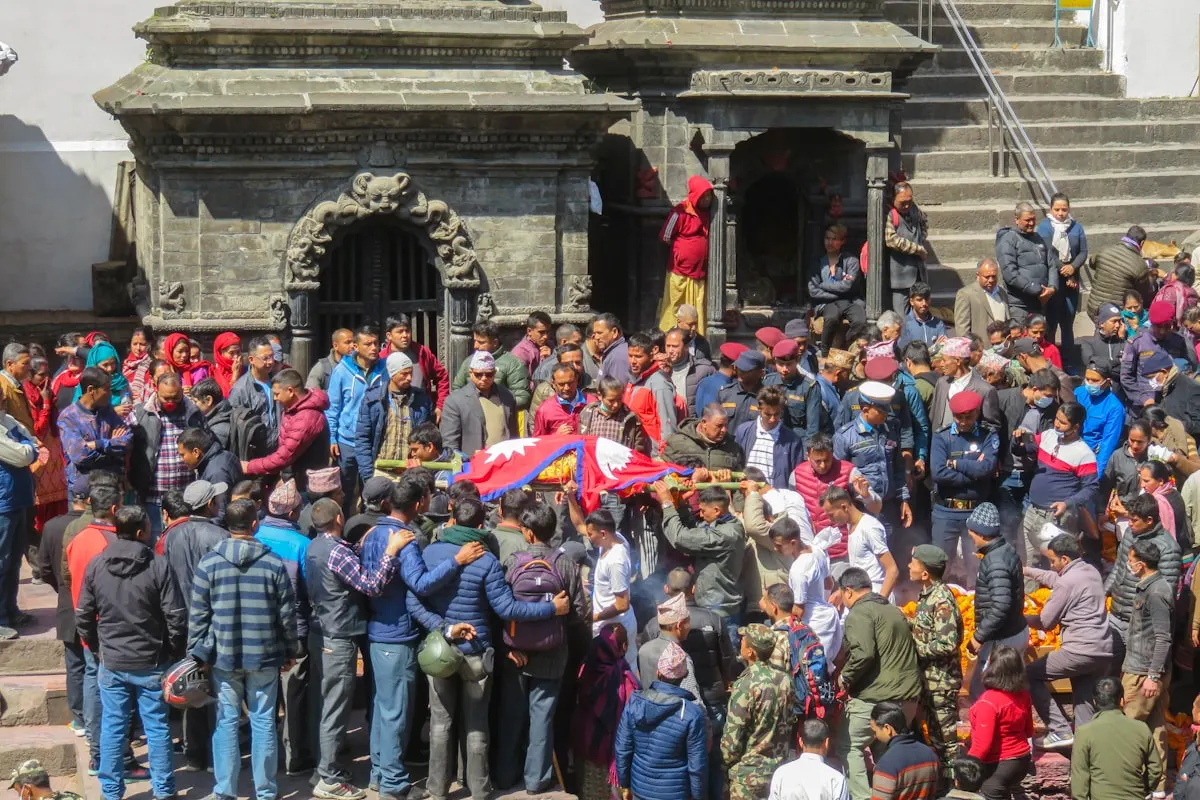
Nepalese soldiers deployed to flood and landslide disaster areas
According to the Nepalese Army’s Disaster Management Agency, the military cooperates with the police, fire departments, and humanitarian organizations to carry out missions such as search and rescue, emergency medical services, and providing food, water, and temporary shelter. In particular, in mountainous areas where roads and bridges have been cut off, helicopters and military transport capabilities are crucial for accessing affected areas.
While it cannot be definitively stated that climate change is the sole cause of disasters, changes in precipitation patterns, extreme rainfall, and the risk of glacial lake outburst floods can exacerbate damage when combined with existing geological and geographical vulnerabilities. Consequently, the Nepalese army’s disaster response mission is shifting from one-time relief efforts to a continuous mission of preparing for recurring risks.
Specialized disaster response training
The Nepalese army is conducting training centered on its Disaster Management Directorate in areas including search and rescue, medical support, supply and logistics management, communications, crisis management, and community cooperation. According to official Nepalese army documents, there is currently an educational institution dedicated to disaster response, and technical exchanges with foreign experts are also being conducted.
From September 15 to 20, 2024, the “Pacific Angel 24-2” exercise involved a total of 232 participants, including 170 Nepalese soldiers, 60 personnel from the United States Pacific Air Force, and 2 observers from the Bangladesh Air Force. The exercise took place in Simbhanjyang, Makwanpur; Trishuli River, Dhading; and Kathmandu, and focused on enhancing humanitarian assistance and disaster response capabilities.
The “Hatemalo” exercise, hosted by the Nepalese Army, also serves as a platform to assess the civil-military-government cooperation system. This exercise aims to practice the roles of each organization, command and communication systems, logistics coordination, and civil-military cooperation procedures in a manner that closely resembles actual situations during a disaster.
Climate adaptation hinges on prediction and pre-positioning
In responding to the climate crisis, the Nepal Army’s challenges extend beyond simply moving more quickly after a disaster occurs. It is crucial to analyze which types of disasters are most likely to occur in which regions and to establish a system for pre-positioning helicopters, rescue equipment, medical personnel, and relief supplies near high-risk areas.
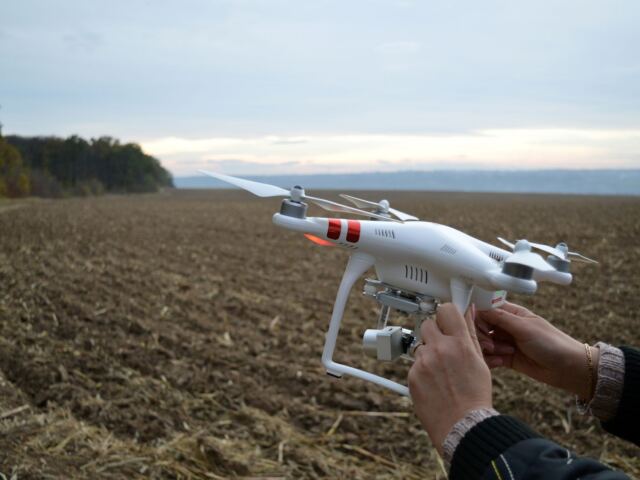
The World Bank announced that in Nepal, drones are being used not only for surveying earthquake damage but also for analyzing flood damage and landslide risks. High-resolution terrain data and remote sensing technology can help confirm changes in mountainous areas that are difficult to access, and can assist in determining access routes for rescue teams and prioritizing areas for response.
In the future, information sharing with early warning agencies, local governments, police, fire departments, and public health authorities will become even more important. When the Nepalese military transforms from being a last resort in disaster response to an organization that proactively utilizes risk information, both the speed of rescue operations and the efficiency of relief efforts can also be improved.
From military power to national resilience
The Nepalese Army’s climate response cannot be explained solely by the expansion of the military’s mission. The military’s rescue, transportation, and medical support roles at disaster sites fill gaps in the national disaster management system, while also providing a foundation for the recovery of local governments and communities.
However, military capabilities alone cannot resolve climate disasters. To reduce landslides, land use and road construction standards must be improved. To minimize flood damage, river management and early warning systems must be strengthened. The role of the Nepalese military can only have a lasting impact when it is integrated with these civilian disaster management policies.
As climate change intensifies, the Nepalese Army, serving as a rescue team and providing logistical, medical, and communication support, is likely to be deployed to affected areas more frequently. Future key tasks involve not only expanding equipment but also integrating risk prediction, specialized personnel training, inter-agency cooperation, and community-based response into a unified system.
Frequently Asked Questions (FAQ)
What role does the Nepalese army play in relation to the climate crisis?
In disaster situations such as floods, landslides, and earthquakes, the Nepalese Army performs search and rescue operations, emergency medical services, relief supply transportation, and evacuation support. It also engages in joint operations with the police, fire department, local government, and humanitarian organizations.
What are the reasons for the high risk of climate disasters in Nepal?
This is because mountainous terrain, unstable geological conditions, heavy rainfall, and the potential for glacial lake outburst floods all exist simultaneously. If climate change increases the variability of precipitation and temperature, it can exacerbate these existing geographical vulnerabilities and lead to even greater damage.
How does the Nepalese army train for disaster response?
The comprehensive training includes search and rescue, medical support, communications, logistics, crisis management, and military-civilian cooperation. Joint training with overseas military and disaster response organizations, as well as expert exchanges, are also conducted.
What is the “Pacific Angel 24-2” training?
This is a joint humanitarian assistance and disaster response training exercise conducted in September 2024 by the Nepalese Army and the United States Pacific Air Force. A total of 232 personnel participated, including 170 from the Nepalese Army and 60 from the United States Pacific Air Force.
What is the most important challenge in climate adaptation for the Nepalese army?
This involves strengthening not only the ability to conduct rescue operations after a disaster, but also the systems for predicting risks and for pre-positioning resources. Key tasks include early warning systems, drone-based damage assessment, information sharing with local governments, and securing specialized equipment.