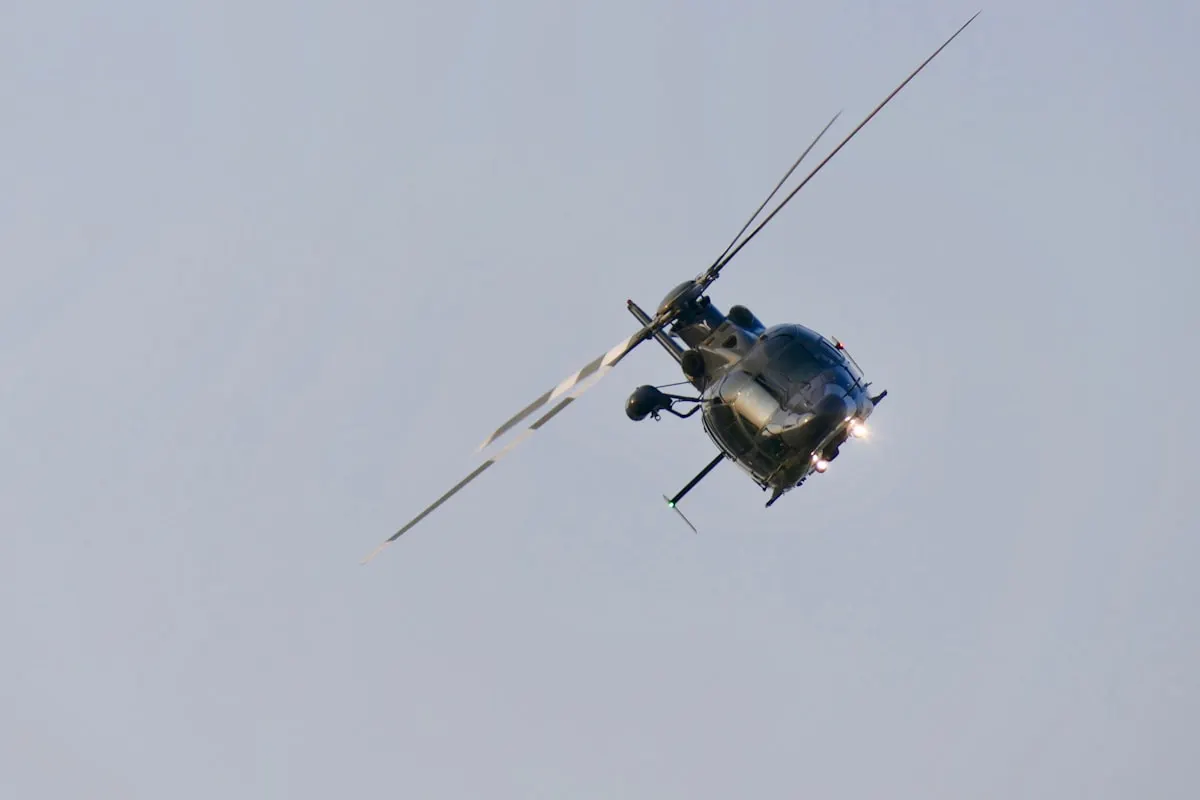
Helicopter proves its central role in the world’s largest maritime training exercise, RIMPAC
During the “Rim of the Pacific (RIMPAC) 2026” exercise held in the Pacific Ocean, helicopters are receiving significant attention as a key component of naval power. This exercise, in which 30 countries participated, took place from June 24 to July 31 near Hawaii, involving more than 30 ships, 5 submarines, over 206 aircraft, and more than 30,000 personnel. The use of helicopters’ diverse weapon systems in the exercise has once again demonstrated the importance of modern naval warfare.
Multilayered missile operation for helicopters
During this RIMPAC exercise, helicopters deployed various types of anti-ship missiles to strike decommissioned vessels. The U.S. Army’s AH-64 Apache attack helicopter fired a Spike Non-Line-of-Sight (NLOS) missile. The New Zealand Navy’s SH-2G(I) Seasprite helicopter fired an AGM-119 Penguin missile. The Australian Navy’s MH-60R Seahawk helicopter fired an AGM-114N Hellfire missile. The Italian Navy’s SH-101 helicopter fired a Marte anti-ship missile.
On July 12th, the decommissioned ship USS Mobile Bay (formerly a Ticonderoga-class guided missile cruiser) was sunk. This ship had been decommissioned 3 years ago after 36 years of service. In addition to helicopters, a Canadian submarine and missiles launched from the U.S.-Japan jointly operated HIMARS system were involved.
Helicopter-centric distributed maritime strike
The helicopters’ performance demonstrated that they have become a key platform, playing a vital role alongside aircraft, ships, submarines, and land-based missile batteries in distributed maritime strike operations. Helicopter types from at least three countries participated in this exercise, demonstrating their ability to operate precision-guided anti-ship weapons.
The maneuverability of helicopters and their ability to operate near naval fleets provide tactical flexibility in modern naval warfare. This is achieved through a combination of precision strikes at long distances, real-time target designation, and rapid response capabilities.
RIMPAC Exercise: Strengthening International Cooperation
The purpose of the RIMPAC exercise is to strengthen relationships, improve interoperability, enhance proficiency, and ultimately contribute to peace and stability in the Indo-Pacific region. By training together in peacetime, participating countries build the trust and cooperation systems necessary for a rapid and effective joint response in actual crisis situations.
Since 1971, the navies of Pacific nations have conducted RIMPAC exercises every two years, by official invitation from the U.S. Pacific Command. This exercise has become an important opportunity to strengthen military interoperability among participating countries in the face of changing regional security environments.
The Role of Air Power in Modern Naval Warfare
The performance of helicopters has reaffirmed the importance of air power in modern naval operations. Helicopters, with their high maneuverability and diverse weapon systems, enable rapid responses from distant locations.
As the maritime security environment becomes increasingly complex, the role of multi-layered air power, including helicopters, is expected to continue to expand. The experience gained by participating countries through exercises such as RIMPAC will directly enhance their ability to respond to real-world situations.
Frequently Asked Questions (FAQ)
What is the purpose of the RIMPAC exercise?
RIMPAC is an international training exercise that aims to strengthen military cooperation and improve interoperability among countries in the Pacific region, ultimately promoting peace and stability in the Indo-Pacific.
How many countries participated in RIMPAC 2026?
A total of 30 countries participated, with over 30,000 personnel, over 206 aircraft, over 30 ships, and 5 submarines deployed.
What types of anti-ship missiles were used by the helicopter?
The helicopters of the participating countries operated at least four different types of anti-ship missiles, including the Hellfire missile, the Penguin missile, the Spike NLOS missile, and the Marte anti-ship missile.
What type of vessel was sunk during this exercise?
How frequently does the RIMPAC exercise take place?
RIMPAC is a regular exercise held every two years. It began in 1971, and This year’s RIMPAC 2026 is the 30th exercise.
Why are helicopters important in modern naval warfare?
Helicopters enable long-range precision strikes due to their high maneuverability and ability to operate near naval fleets, and they are a crucial asset for modern naval operations that require real-time target designation and rapid response.