U.S. Air Force initiates market research for medium-caliber air defense guns for overseas base defense
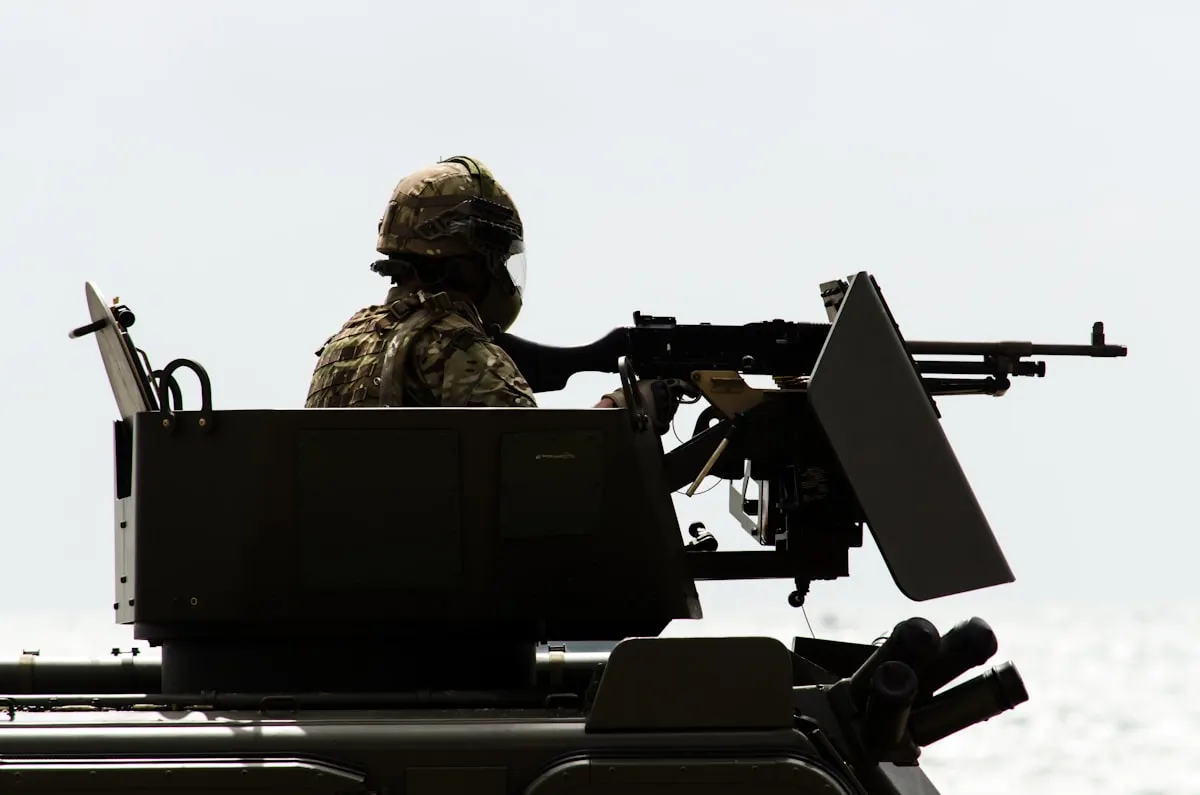
The U.S. Air Force is considering the procurement of a ground-based, medium-caliber air defense gun system designed to target drones and cruise missiles. While no specific weapons purchases have been finalized, this move is seen as an effort to expand the Air Force’s own capabilities to handle air defense responsibilities at overseas and forward bases.
The U.S. Air Force Life Cycle Management Center’s Command, Control, Communications, and Battle Management Directorate issued a Request for Information (RFI) on July 17, 2026, for a ground-based launch system. According to the U.S. government procurement website, this notice is not a bid solicitation for awarding a contract, but a market survey to assess the industry’s technological capabilities and operational feasibility.
Targeting everything from drones to cruise missiles
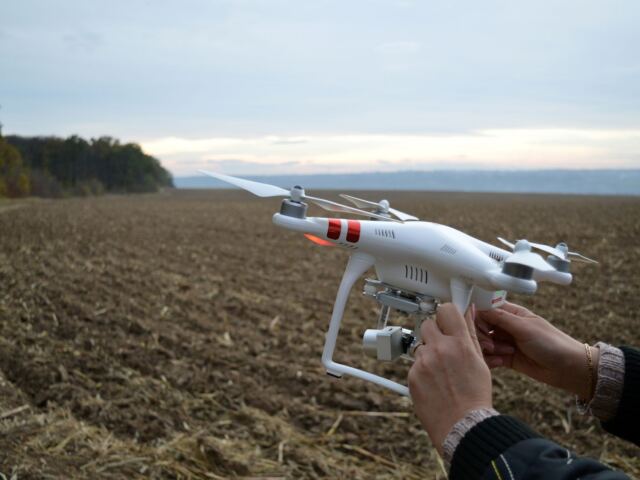
The Air Force’s key mission is to simultaneously counter unmanned aerial vehicle (UAV) systems and subsonic cruise missiles. The Request for Information (RFI) considers a wide range of threats, from small Group 1 drones to large Group 5 unmanned aircraft. The final system may integrate sensors, command and control functions, a laser targeting system, and kinetic energy weapons.
The requirements outlined by the U.S. Air Force extend beyond simple anti-aircraft guns. The focus is on establishing a multilayered defense network that uses radar and electro-optical/infrared sensors to detect, identify, and track targets, and that, depending on the situation, is integrated with electronic warfare equipment, directed energy weapons, and interceptor missiles.
Low-cost interception and ammunition sustainability are critical
One of the biggest challenges in drone defense is the cost of interception. If expensive surface-to-air missiles are used to shoot down low-cost drones, which can cost tens of thousands of dollars, the defense side’s financial burden and ammunition consumption could exceed that of the attacking side. For this reason, the Air Force is showing interest in medium-caliber projectiles and various interception methods that can be fired continuously and reduce the cost per engagement.
However, anti-aircraft guns are not intended to replace long-range, high-performance interception systems like the Patriot. Instead, anti-aircraft guns are expected to serve as a final line of defense against targets that have penetrated the outer defense network, or as a close-range means of intercepting small drones and cruise missiles at bases where the threat level is relatively low. The U.S. Air Force is also developing a layered defense system that combines electronic warfare, directed energy weapons, and kinetic-energy weapons.
Expansion of the Air Force’s base defense mission
Traditionally, base air defense has been considered the role of the U.S. Army’s air defense artillery units. However, recently, as air bases have become directly exposed to drone and missile attacks, there has been increasing demand for the Air Force to develop its own base defense capabilities.
The Air Combat Command announced in a document released in August 2026 that it is expanding its “point defense” mission, which includes countering threats ranging from small unmanned aerial vehicles to cruise missiles. The command is also conducting tests of electronic warfare and active and passive defense systems, and is conducting training and developing tactics for base defense personnel.
At overseas bases, cooperation with the host nation’s law enforcement agencies is also a crucial factor. In a statement released in July 2026, the U.S. Air Force stationed in Europe and Africa emphasized an integrated response system that connects the base defense operations center, security personnel, and local authorities. While the actual equipment deployed and operational methods have not been disclosed due to security concerns at each base, various countermeasures, including laser weapons and laser-guided rockets, are being tested.
Budget and operational deployment: challenges to overcome
The U.S. Air Force reportedly requested approximately $1,400,000,000 in the fiscal year 2027 budget request for the missile defense portion of the base air defense system project. In the fiscal year 2026, $51,800,000 was allocated for the procurement of a small unmanned aerial vehicle defense system. This indicates that the Air Force’s base defense investment is not limited to a single weapon system, but rather encompasses a long-term project including missile defense, drone countermeasures, sensors, and command and control.
The future success of this effort depends on the system’s mobility and integration capabilities. The Air Force wants a system that can be rapidly deployed to forward temporary bases and overseas installations, and that can be operated with limited personnel and transport capabilities. If industry proposals lead to an actual procurement project, changes are expected in the U.S. Air Force’s base defense doctrine and the allocation of air defense missions, which are currently centered on the Army.
Frequently Asked Questions (FAQ)
Has the U.S. Air Force actually decided to purchase anti-aircraft guns?
The purchase has not yet been finalized. The Request for Information, announced on July 17, 2026, is a market research phase aimed at assessing the technological capabilities and operational feasibility within the industry.
What types of weapons does the new air defense system intercept?
The system aims to counter threats ranging from small drones to large unmanned aerial vehicles, and even subsonic cruise missiles. The actual performance and interception capabilities may vary depending on future proposals from companies and the results of testing.
Why is the U.S. Air Force developing its own air defense system?
Overseas and forward bases are increasingly vulnerable to drone and missile attacks, making it difficult to rely solely on the Army’s air defense capabilities. The Air Force considers base defense a core element of its ability to sustain operations.
Will anti-aircraft guns replace Patriot missiles?
They do not replace Patriot missiles. Air defense guns are responsible for close-range, last-ditch defense and countering low-cost drones, while long-range interceptor systems like the Patriot, along with sensors and electronic warfare equipment, form a layered defense network.
When will the system be deployed to overseas bases?
Currently, the process is in the stage of reviewing the requirements, so the specific deployment schedule has not been disclosed. The Air Force plans to first conduct tests and evaluations to determine whether to proceed with operational deployment.