United States Continues Maritime Blockade of Iran – Aircraft Carrier Deployed to the Middle East
In 2026, as tensions escalate in the Middle East, the United States is maintaining a strong naval blockade against Iran. U.S. Central Command continues to enforce the blockade on ships traveling to and from Iranian ports and coastal areas near the Strait of Hormuz, restricting Iran’s international trade activities. The aircraft carriers deployed in this operation are strengthening the U.S. military presence and playing a crucial role in regional security.
Purpose and significance of the Hormuz Strait blockade
The U.S. naval blockade serves as an economic pressure measure that blocks Iran’s crude oil exports and international maritime logistics. The Strait of Hormuz is a critical point in the global energy supply chain, through which approximately 20–30% of the world’s crude oil is transported by sea, and an important maritime route through which the oil and natural gas of the Persian Gulf reach the rest of the world. U.S. Secretary of Defense Pete Hegseth stated that the U.S. Navy has the capability to maintain this blockade indefinitely by continuing to rotate its ships.
Carrier Strike Group deployed locally
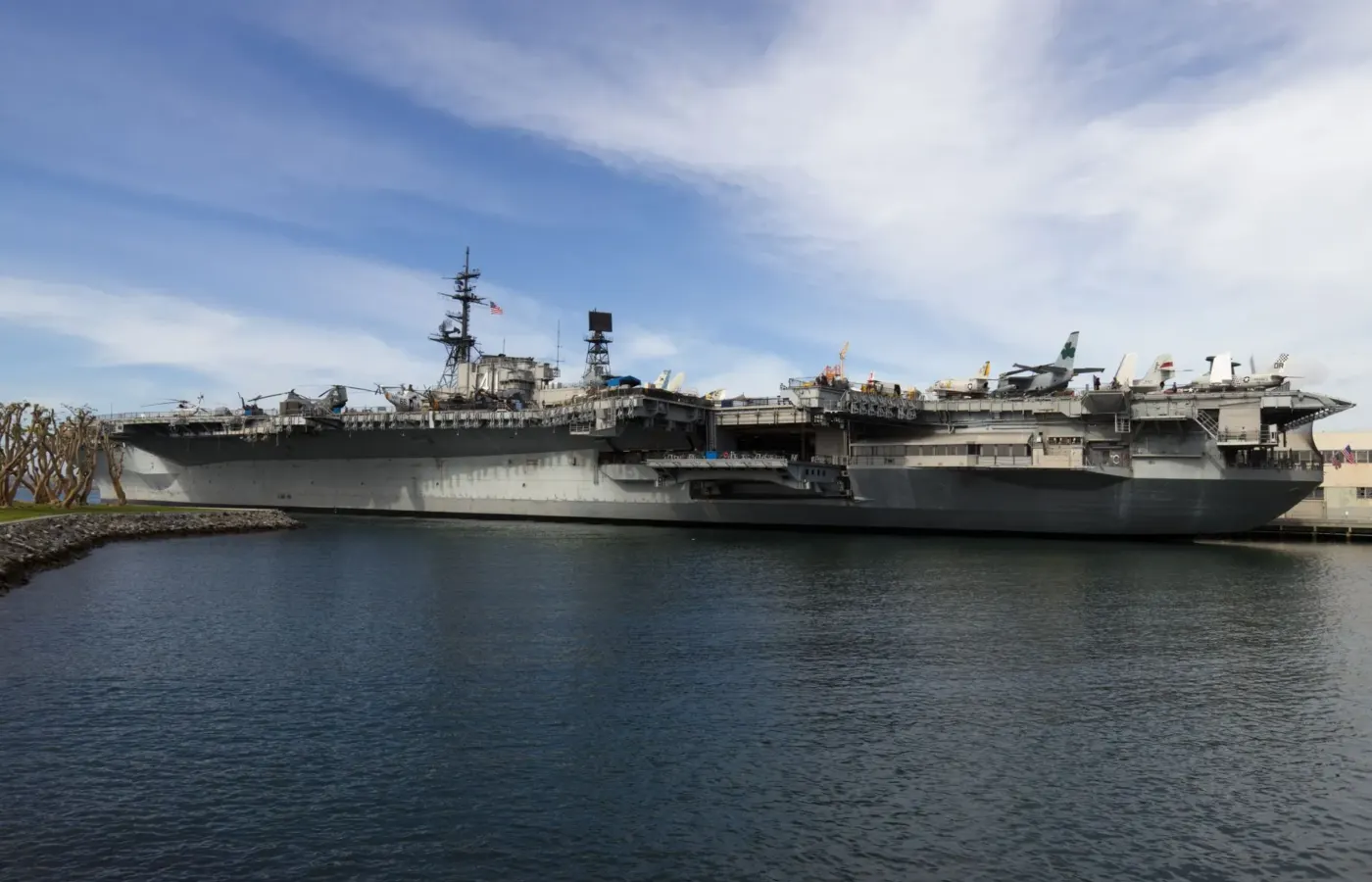
The U.S. nuclear-powered aircraft carrier USS Abraham Lincoln has been deployed to the Middle East region since January and has been conducting maritime operations for roughly 250 days or more. U.S. Central Command announced that more than 20 naval warships and several hundred military aircraft are currently operating throughout the Middle East. Meanwhile, the USS George Washington is en route to the Middle East and is reportedly expected to replace the USS Abraham Lincoln, which has been deployed there for an extended period.
US-Iran military standoff
Iran strongly opposes the U.S. naval blockade and claims control of the Strait of Hormuz. Iran’s unified military command stated that no ship can pass through the strait without its approval, and has also conducted training exercises for the blockade of the Strait of Hormuz. Recently, two ships belonging to the Abu Dhabi National Oil Company were attacked while passing through the Strait of Hormuz, and the UAE Ministry of Foreign Affairs has identified the Iranian Revolutionary Guard Corps as the perpetrator of the attack.
U.S. military strategy and future prospects
The United States is simultaneously enforcing a naval blockade of Iran and conducting large-scale airstrikes, targeting Iran’s coastal defense systems, missile and drone bases, and naval operational facilities. This concurrent operation is interpreted as an attempt by the U.S. military to force Iran to reopen the Strait of Hormuz and return to nuclear negotiations. The United States is expected to continue its strategy of strengthening cooperation with its allies to secure stability in the Middle East region.
International attention and concern
As the military confrontation between the United States and Iran in the Middle East drags on, uncertainty in the international energy market is increasing. The possibility of disruptions to global crude oil supply due to a potential blockade of the Strait of Hormuz is being raised, and the safety of international maritime transport is being threatened. Various countries are making diplomatic efforts to ease tensions in the region and ensure freedom of international navigation.
Frequently Asked Questions (FAQ)
Q. Specifically, what does the United States’ naval blockade aim to prevent?
A. The United States is restricting the entry and exit of all ships to and from Iranian ports, thereby limiting the export of Iranian crude oil and maritime logistics. This aims to cut off a major source of foreign currency revenue for Iran and strengthen economic pressure.
Q. Why is the Strait of Hormuz important?
Q. How many aircraft carriers are currently deployed in the Middle East?
The USS Abraham Lincoln is currently operating in the region, and the USS George Washington is moving to the Middle East to replace it. U.S. Central Command is operating more than 20 naval warships throughout the Middle East.
Q. How is Iran responding to the U.S. blockade?
A. Iran is asserting its control over the Strait of Hormuz and is reacting against the United States’ blockade. Furthermore, it is taking military action, including attacking maritime transport vessels and conducting exercises to blockade the strait.
Q. What is the impact of a naval blockade on international trade?
A. The closure of the Hormuz Strait increases the possibility of disruptions to global crude oil supplies and increases uncertainty in the international energy market. It also threatens the safety of international maritime transport, impacting global trade.
Q. How long does the United States plan to maintain this blockade?
The U.S. Department of Defense stated that it could maintain this blockade indefinitely. It emphasized that it can continuously rotate naval vessels, indicating its intention to exert long-term pressure on Iran.