- Even if a safe passage is cleared, it is not possible to protect the hull of an oil tanker.
- Mine countermeasures performance and merchant ship protection are not the same measure of success.
- The two explosions are causing more disruption to insurance claims than to oil tankers.
- The attackers intend to rewrite the price of passage, rather than sink the oil tanker.
- Here are three signals to watch for in the coming days:
- Frequently Asked Questions.
- Was the entity that attacked the Louise 1 identified as Iran?
- The weapon used in this incident has been confirmed to be an adhesive mine
- Were there any damages to Korean ships or Korean crew members?
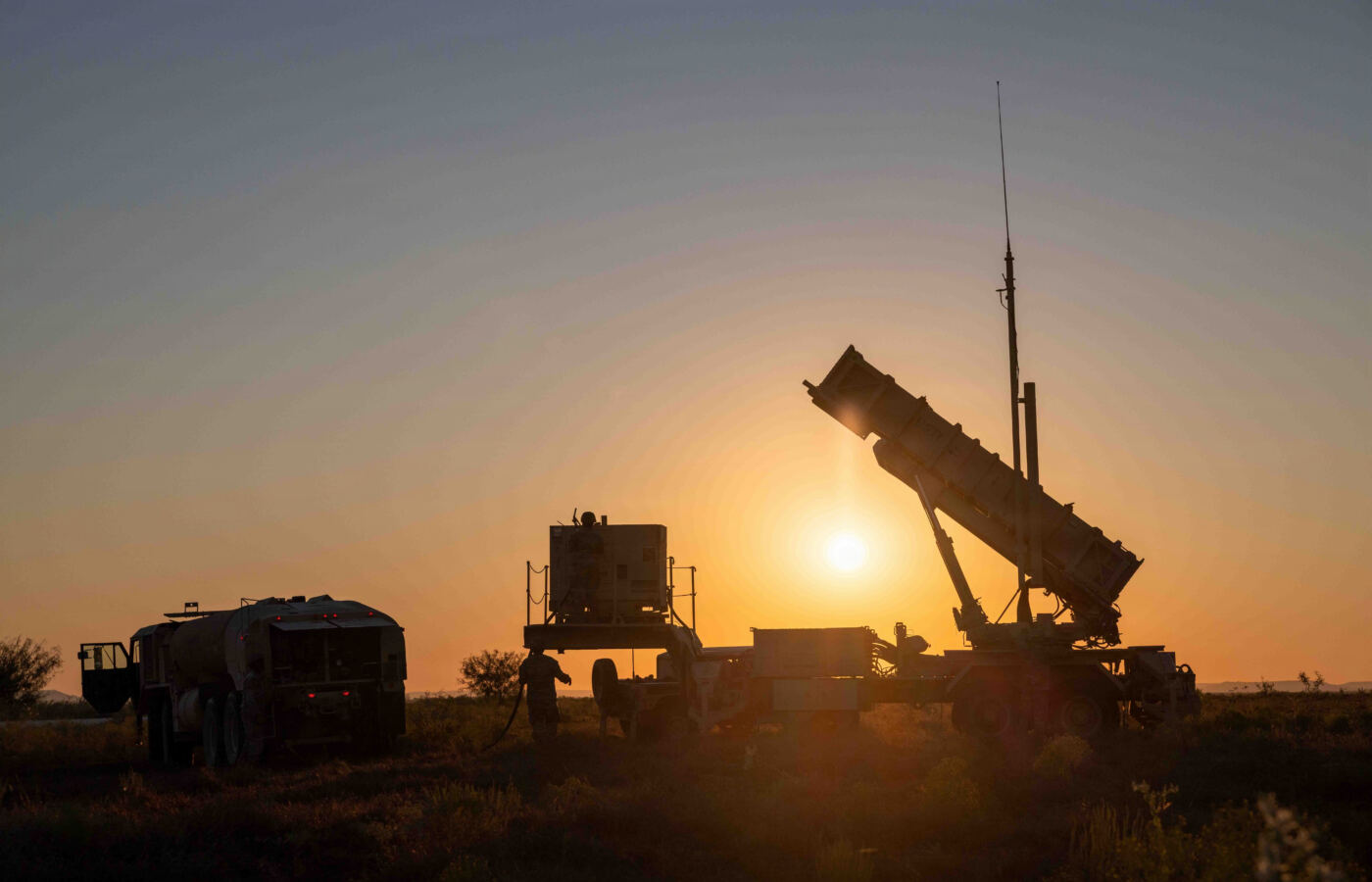
Even if a safe passage is cleared, it is not possible to protect the hull of an oil tanker.
In the strait, where the U.S. military stated that it had removed mines from major international shipping lanes, a small vessel approached the hull of an oil tanker, not a shipping lane. Searching for mines laid on the seabed and preventing people from attaching explosives to moving ships are initially different missions.
On October 29, 2026, at 22:12 UTC, a small boat approached an oil tanker that was underway 25 nautical miles northeast of Khasab, Oman. The United Kingdom Maritime Trade Operations (UKMTO) confirmed that the small boat attached two explosive devices to the hull above the port waterline, followed by a fire in the engine room.
Sources familiar with maritime security, cited by Reuters, assessed that the Panamanian-flagged vessel *LOUISE 1* was attacked by a limpet mine. The United Kingdom Maritime Trade Operations (UKMTO) did not specify the perpetrator or the name of the weapon used. The *Financial Times* and the U.S. military news outlet TWZ reported that Iran was responsible, but this attribution has not yet been officially or independently confirmed.
The crew members were safe, and the fire was extinguished. No environmental damage was reported, and the ship resumed its voyage to its next port of call. However, the significance of this incident lies not in the extent of the damage, but in how easily the attacker circumvented the strait’s defense mechanisms.
Mine countermeasures performance and merchant ship protection are not the same measure of success.
On the surface, this event appears to be an extension of mine warfare. In reality, it is an incident in which shipping-lane mines, which mine-countermeasures operations handle relatively well, meet close-range infiltration, which mine clearance cannot address.
Adhesive mines are relatively simple weapons that are attached to a ship’s hull and detonated. Unlike mines that are buried on the seabed or in the water, even if a route is surveyed and declared safe, a small vessel can pose a threat if it can get close enough to the side of a ship. The United Kingdom Maritime Trade Operations (UKMTO) confirmed this very scenario. “According to the report, a small vessel approached the port side of the oil tanker and attached two explosive devices to the hull above the waterline.”
The Strait of Hormuz is a narrow waterway where merchant ships are concentrated, and it also has blind spots in coastal surveillance. Even with the deployment of expensive vessels and air assets, as well as uncrewed surface vessels (USVs), it is difficult to continuously monitor the hulls of all merchant ships. The sea is vast, but the railings along the ship’s hull are narrow. The defender must monitor both, but the attacker only needs to succeed once.
The U.S. Central Command (CENTCOM) has stated that it has removed Iranian mines from major international waterways. If this attack is confirmed to have been carried out using suction mines, it does not negate the achievements that have been made. However, it leaves a clear gap in the promotional narrative that suggests that the completion of mine clearance automatically guarantees safe passage.
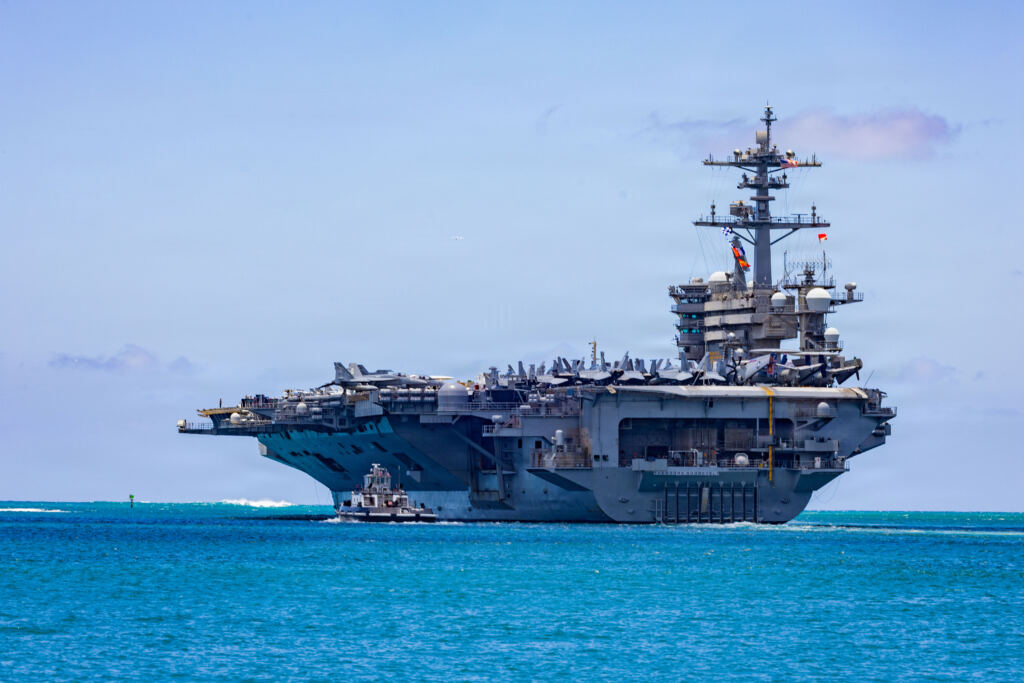
The two explosions are causing more disruption to insurance claims than to oil tankers.
This event did not sink the oil tanker. However, it is unlikely to be a minor incident for the ship owner, the shipping company, and the insurance company. The very fact that a small vessel approached a large cargo ship during its voyage and successfully carried out both installation and withdrawal will necessitate a recalculation of insurance premiums and security costs for future voyages.
Reuters reported that this incident was the first successful attack by a suction mine confirmed in the Strait of Hormuz since the outbreak of the US-Iran war in February 2026. It was reported that a separate attempt was made in September, but it did not explode. Marisk Maritime Risk Management Group assessed the ability of small vessels to approach, install, and depart from the congested strait as a major security concern.
Here, the cost-exchange ratio becomes apparent. The U.S. Navy has deployed unmanned surface vessels such as the Saronic Corsair to the Middle East, and the reported value of the related production contracts is $392,000,000. Unmanned surface vessels are useful for surveillance, rescue, and strike missions. However, to prevent an attack involving attaching just two low-cost explosives to the hull, not only surveillance assets but also the identification of small vessels, close escort, hull inspection before departure from port, and crew evacuation procedures must all be implemented.
While there is no direct confirmation of damage to South Korea from this event, even after reducing the proportion of Middle Eastern crude oil, 55.6% of South Korea’s crude oil imports from March to September 2026 were still from the Middle East. The cumulative amount that the Customs Service stated was provided for freight and insurance costs of Middle Eastern crude oil is 60,200,000,000 won. South Korea’s initial response is focused on readjusting procurement lines, insurance, and transshipment costs, rather than the deployment debate.
The attackers intend to rewrite the price of passage, rather than sink the oil tanker.
The author believes that the goal of this attack is not necessarily a large-scale naval blockade, but rather to impose a price of uncertainty on all ships passing through the strait. The fact that the perpetrator has not been officially confirmed is both a weakness of this assessment and a key factor in explaining the impact of the event.
The first basis is the means used. Although the vessel experienced a temporary operational disruption due to a fire in the engine room, the crew was safe, and the ship resumed navigation. This means that even without destroying the vessel, it is possible to increase insurance premiums, detour and transshipment costs, and escort requests. Secondly, the basis is that the Islamic Revolutionary Guard Corps (IRGC) mentioned unauthorized routes and mine strikes in a separate tanker fire incident, claiming control over the passage. While denying responsibility, the manner in which they specified the conditions of the route is advantageous for negotiation.
It should not be described as an operation definitively carried out by Iran. The identity of the attackers, the origin and recovery route of the small vessel, and the location of nearby U.S. military vessels, aircraft, and unmanned surface vehicles at the time have not been disclosed. The fact that the Louise 1 was attacked by a Ukrainian sea drone in the Black Sea in July 2026 does not provide evidence to explain the motive for the selection of the target in this incident.
If my assessment is incorrect, it is likely because this attack was not a recurring form of pressure intended to increase transit costs, but rather a one-time attack targeting a specific vessel. Subsequent events, including the targets of future attacks, the methods used, and the changes in transit volume and insurance rates, will determine the difference.
Here are three signals to watch for in the coming days:
- It remains to be seen whether the UK’s Naval Cooperation and Maritime Trade Organization, the Omani Maritime Security Center, and the ship’s operating company will disclose additional information, including the ship’s name, cargo details, and evidence of the attack, within the next 24 to 72 hours. This information will be the first key indicator in determining the perpetrator and the nature of the incident.
- It is necessary to confirm whether the U.S. Central Command will announce specific measures in the coming days, such as strengthening the interception of small vessels, close-range escort, and monitoring of merchant ships. This will reveal whether the current focus on mine countermeasures will be supplemented.
- Over the next 1 to 2 weeks, it is necessary to monitor whether war risk insurance premiums, detour and transshipment freight rates, and the volume of traffic passing through the Strait of Hormuz worsen again. The strategic impact of an attack is first reflected in market price indicators, rather than at the point of impact.
Frequently Asked Questions.
Was the entity that attacked the Louise 1 identified as Iran?
Not yet. The UK Naval Cooperation and Maritime Trade Organization has not identified the perpetrator, and Reuters reported that those behind the attack were not immediately clear. The Financial Times and TWZ reported that Iran was responsible.
The weapon used in this incident has been confirmed to be an adhesive mine
Three maritime security sources cited by Reuters assessed that the device was a suction mine. However, the UK’s Naval Cooperation and Maritime Trade Organization confirmed that the small vessel had two explosive devices attached, but did not specify the type of weapon.
Were there any damages to Korean ships or Korean crew members?
In the recent Louise 1 incident, no damage to Korean ships or Korean crew members has been confirmed. South Korea is currently implementing measures to diversify its crude oil import sources and provide support for freight and insurance costs.
Main photo — U.S. Army · Capt
Body photo — U.S. Navy · Mass Communication Specialist 1st Class Luke McCall
This is a work of the U.S. federal government (public domain). The use of U.S. Department of Defense visual materials does not imply endorsement by the U.S. Department of Defense.