AI-Powered Supply Chain Management Narrows the Gap Between Demand and Supply
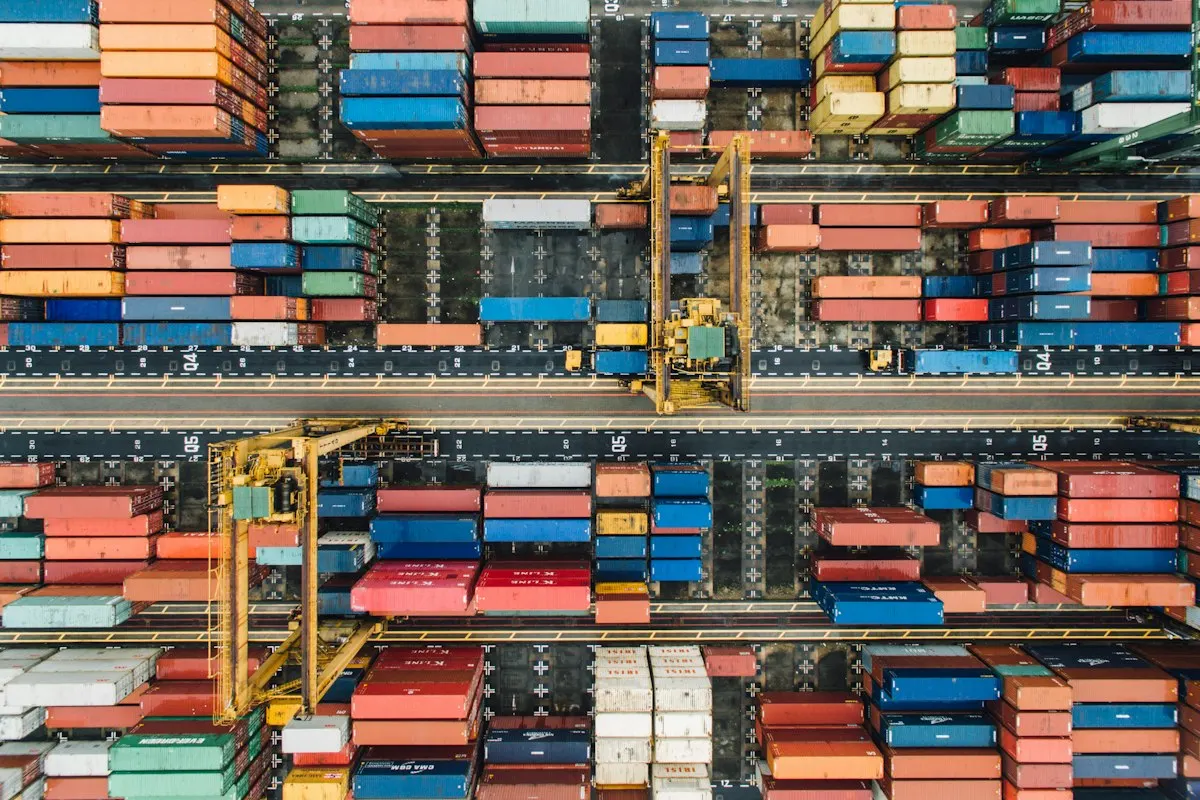
The COVID-19 pandemic exposed just how vulnerable global supply chains are to external shocks, from port congestion and shipping delays to raw-material shortages. In its 2023 Logistics Performance Index, the World Bank assessed transport speed and reliability across 139 countries, underscoring the importance of predictable, dependable logistics networks.
Since then, companies have shifted their focus from simply cutting costs to building more resilient, visible supply chains. Artificial intelligence (AI) has drawn attention as a way to integrate sales, inventory, transportation and supplier data, forecast changes in demand and identify potential supply disruptions early.
Improving Demand Forecasts to Reduce Inventory Imbalances
One of the first areas where AI is being applied in supply chains is demand forecasting. Rather than relying solely on historical sales, AI can analyze a range of variables—including seasonality, price changes, promotions and regional order patterns—to estimate how demand for individual products is likely to change.
More precise forecasts can help companies reduce both excess inventory and the risk of stockouts. Retailers and manufacturers, in particular, can connect demand forecasts to purchasing and production plans, adjust inventory levels dynamically and respond more quickly to sudden shifts in demand.
According to a year-end 2023 executive survey by the World Economic Forum and Kearney, roughly two-thirds of respondents viewed AI as a key technology for cutting costs and improving supply chain resilience. Yet only 1% of companies said they had fully automated their supply chain processes, highlighting the sizeable gap that remains between adopting the technology and putting it into practice.
Using AI to Detect Supply Disruptions Early
AI can also be used to detect warning signs across the supply chain. By analyzing delivery delays, sharp drops in order volumes, raw-material price fluctuations, changes in transport routes and suppliers’ financial and operational indicators together, it can issue alerts before a problem escalates.
For example, if the likelihood of a delay from a particular supplier increases, AI can suggest alternative sources, when to place additional orders and whether to change the mode of transport. Even when the final decision remains with a supply chain professional, these tools can reduce the time needed for analysis and clarify the order in which actions should be taken.
The U.S. National Institute of Standards and Technology has cited predictive analytics for responding to supply disruptions, real-time tracking that combines the Internet of Things with AI and counterfeit detection as examples of AI applications in supply chains. At the same time, it identified data quality and security, along with dependence on third-party systems, as major risk factors.
Automating and Optimizing Logistics and Inventory Operations
AI is also used to optimize logistics routes and warehouse operations. By analyzing order volumes, vehicle locations, traffic conditions, delivery times and load capacity, it can calculate the most efficient way to connect multiple delivery points.
In warehouses, AI can help determine product placement, picking sequences, staffing levels and safety-stock requirements. This makes it possible to reduce delivery delays and unnecessary movement while positioning high-demand products closer to customers.
That does not mean AI can replace every decision automatically. Variables that are difficult to explain using historical data alone—such as severe weather, strikes and geopolitical conflicts—still require human judgment informed by conditions on the ground.
Key Challenges in Adopting AI for Supply Chains
Data Quality and System Connectivity
AI performance depends on the accuracy and interoperability of the data it receives. If sales, inventory, production and transportation data are stored in separate formats or contain extensive gaps and duplication, forecasts can become unreliable.
Companies should therefore establish data standards, master-data management and real-time integration before deploying AI models. They also need to define in advance the scope of data that suppliers and logistics partners will provide, as well as who is responsible for it.
Building the Right Talent and Governance
In a 2026 report, the Organisation for Economic Co-operation and Development said 40% of employers in manufacturing and finance identified a lack of relevant skills as a major barrier to AI adoption. Companies need to do more than purchase external solutions; they must also build employees’ ability to interpret and validate data.
Security and Responsible Use
Supply chain data may include sensitive information such as commercial terms, production volumes, inventory levels and details about business partners. When providing data to an external AI service, companies must clearly define access rights, where the data will be stored, whether it may be used to train models and who will be responsible if an incident occurs.
The National Institute of Standards and Technology’s AI Risk Management Framework says that governance, risk identification, measurement and management must be carried out continuously to ensure the reliability of AI systems. Supply chain AI must likewise be managed not only for accuracy but also for explainability, security and backup procedures in the event of a system failure.
The Competitive Advantage of AI-Powered Supply Chains Starts with Data and People
AI can improve demand forecasts, detect supply disruptions more quickly and optimize inventory and logistics operations. But it cannot eliminate every source of uncertainty in a supply chain. If inaccurate data, outdated systems and limited operational expertise remain unaddressed, the technology’s impact will be limited.
Ultimately, a competitive AI-enabled supply chain cannot be built with a single algorithm. Companies that develop data standards and system integration alongside supplier collaboration, employee training and risk management are more likely to reduce demand-and-supply volatility and strengthen their ability to respond to crises.
Frequently Asked Questions (FAQ)
How is AI first used in supply chains?
It is often introduced first in areas with accumulated data and many repetitive decisions, such as demand forecasting, inventory management, delivery-delay detection and route optimization.
Does AI always improve the accuracy of demand forecasts?
AI can analyze many types of data at once, but greater accuracy is not guaranteed. Companies need to manage data quality, market changes and exceptional situations while establishing review procedures for supply chain professionals.
Can small and midsize companies adopt AI for their supply chains?
Yes. Rather than building a large-scale system from the outset, companies can take a phased approach, starting with areas where results are easy to measure, such as sales forecasting, inventory alerts and delivery-route optimization.
What are the biggest obstacles to adopting AI in supply chains?
Common obstacles include poor data quality, incompatibility between systems, a shortage of skilled personnel, upfront investment costs, security concerns and data privacy requirements.
Will AI replace supply chain professionals?
AI is well suited to automating routine analysis and recommendation tasks, but it is unlikely to replace supplier negotiations, crisis response and strategic decision-making altogether. In practice, people and AI are most likely to work together, with responsibilities divided between them.