France Turns to Rafale F5 After FCAS Fighter Program Halted
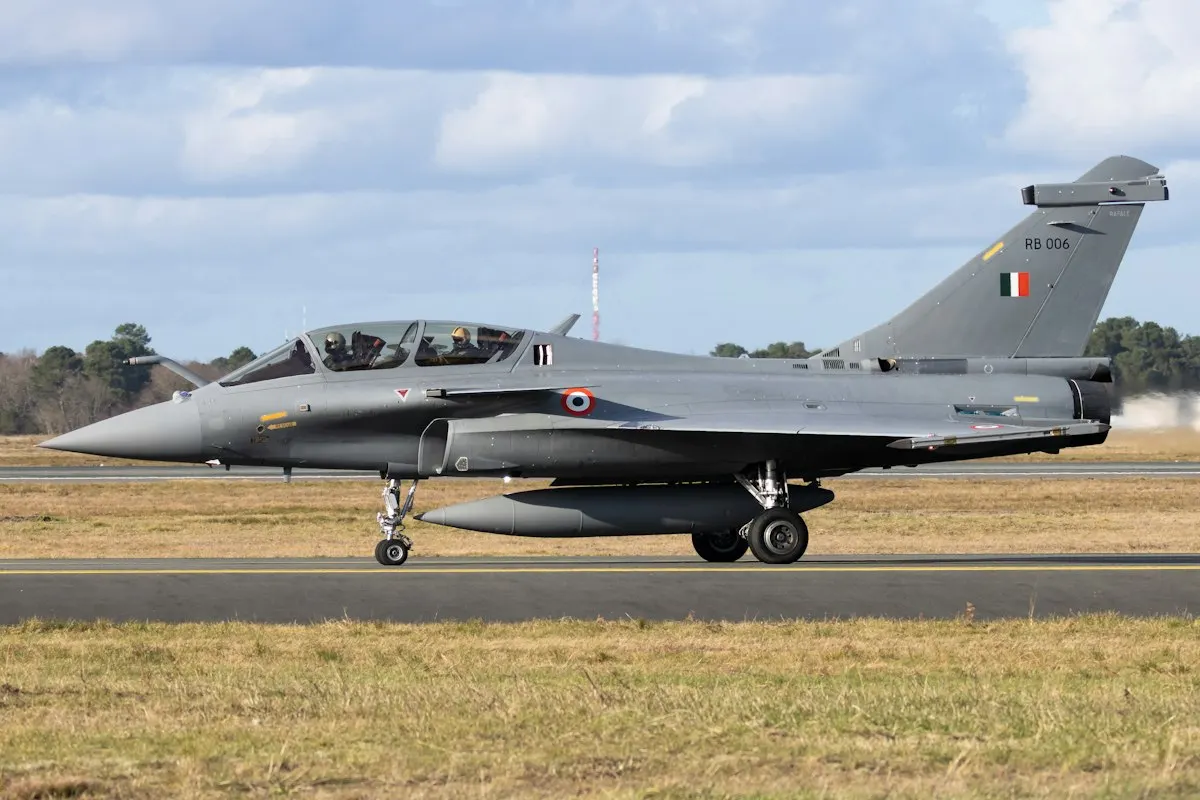
With development of the centerpiece fighter in France’s next-generation combat aircraft program with Germany and Spain now suspended, the Rafale F5 standard has taken on greater importance as France seeks to prevent a gap in its airpower. Paris is looking beyond simply extending the Rafale’s service life, envisioning a force that can remain operationally independent well into the 2030s and beyond through new weapons, networked combat systems and integration with combat drones.
That does not mean FCAS has disappeared altogether. The decision announced by France and Germany on June 8, 2026, concerns the program’s next-generation manned fighter component. Some areas of cooperation, including the combat cloud and unmanned systems, could continue separately.
Why Did FCAS Stall?
Launched by France and Germany in 2017, with Spain joining later, FCAS is a European next-generation air combat system. At its core was the concept of a “system of systems” linking a new fighter, the NGF, with unmanned combat aircraft, sensors and command-and-control networks.
But disputes over leadership, the division of work and intellectual property dragged on between France’s Dassault Aviation, which was responsible for the fighter, and Airbus on the German and Spanish side. According to Reuters, the two countries’ leaders agreed on June 8, 2026, to halt joint development of the next-generation fighter, while considering continued cooperation on some systems, including the combat cloud.
The decision is significant because it shows that a program once seen as a symbol of European cooperation could not overcome competing industrial interests and disputes over technological sovereignty. For France, it also leaves the challenge of managing the transition beyond the Rafale without destabilizing its fighter force.
What the Rafale F5 Upgrade Will Bring
According to France’s Ministry of the Armed Forces, the Rafale F5 will be more than a straightforward performance upgrade. It is being developed as a network-centric fighter capable of connecting with other aircraft and ground-based command systems. New sensors and data-processing capabilities, enhanced electronic warfare systems and the integration of next-generation weapons are central to the upgrade.
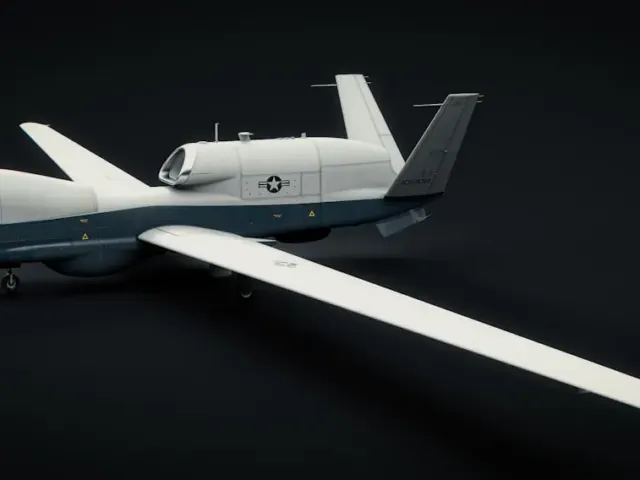
F5 is also being designed to operate alongside stealth combat drones. France’s defense ministry has said the Rafale F5 could rely on stealthy unmanned aircraft to support reconnaissance and penetration of enemy air defenses. These drones are expected to extend the Rafale’s detection reach and gather information first in high-risk areas as unmanned systems.
Rather than treating the Rafale F5 and its accompanying drones as entirely separate programs, France is seeking to link their development, operations and maintenance arrangements to improve efficiency. The approach is intended to enhance the survivability and mission range of manned fighters while giving France an air combat system it can control independently.
Next-Generation Weapons and the Nuclear Deterrent Mission
As a next-generation fighter, the Rafale F5 is tied not only to the modernization of air-to-air and air-to-ground weapons but also to the future of France’s nuclear deterrent. French parliamentary documents have pointed to the early 2030s for the F5 standard to enter operational service, while development timelines have also been framed around the future air-launched nuclear missile ASN4G.
In June 2026, France’s defense procurement agency conducted a supersonic test launch of the next-generation MICA NG air-to-air missile from a Rafale. Integrating MICA NG is regarded as a key effort to improve the Rafale’s air combat performance and self-defense capabilities.
France Is Pursuing an Independent Transition, Not Just a Rafale Life Extension
The Rafale F5 is less a replacement for FCAS than an interim stage and strategic safety net that will allow France to build next-generation fighter technology independently. While continuing to operate the Rafale, France can preserve its industrial and technological base in advanced aircraft design, unmanned systems, combat clouds and artificial intelligence.
In 2024, France’s Ministry of the Armed Forces pursued industry contracts related to risk-reduction studies for the Rafale F5 standard. It also said that the 42 Rafales ordered in 2023 would be designed so they could be upgraded to the F5 standard in the 2030s. The plan combines new production with upgrades to existing aircraft in an effort to expand the fleet while modernizing it.
French parliamentary discussions have also outlined plans to develop combat drones to support the Rafale and begin testing an accompanying drone around 2028. The target for bringing stealth combat drones into service has been discussed as the mid-2030s.
Implications for European Defense and NATO
Accelerating the Rafale F5 program would not only help reduce a potential capability gap in the French Air Force; it would also sustain the country’s defense-industrial base. Companies including Dassault Aviation, Safran, Thales and MBDA would continue to play a role in developing fighters, sensors, engines and weapons.
At the European level, the next-generation fighter effort is now more likely to split into separate national development paths. France can use the Rafale F5 as a foundation for developing its own sixth-generation fighter technologies, while Germany will have to consider separate options for acquiring a future fighter. Spain is also expected to weigh other European partnership arrangements alongside modernization of its existing capabilities.
From NATO’s perspective, the Rafale F5 would allow France to reduce its dependence on U.S.-built fighters while maintaining an independent nuclear and conventional force. The challenge of ensuring interoperability and the ability to conduct joint operations across European combat systems, however, remains.
Challenges Ahead for the Rafale F5
For the F5 program to succeed, France will need to integrate not only the fighter’s capabilities but also drones, satellite communications, ground command systems and electronic warfare equipment into a reliable network. A key question will be how much autonomy and control the unmanned wingman systems can deliver in real-world operations.
Cost and schedule management will also be critical. Developing next-generation sensors, weapons and combat drones at the same time will expand the program and complicate testing and certification. To field the Rafale F5 quickly, France will need to draw on its experience operating the existing Rafale while reducing the risks associated with new software and unmanned systems in stages.
Ultimately, France’s strategy is not simply to keep the Rafale in service for as long as possible. It is to use the Rafale F5 to create the time and capability needed to transition to a next-generation combat system. The suspension of FCAS’s manned fighter component is a setback for France, but it could also provide an opportunity to redefine an independent approach to airpower.
Frequently Asked Questions (FAQ)
Has the FCAS project been completely scrapped?
No. The component halted on June 8, 2026, was the next-generation manned fighter program pursued by France, Germany and Spain. Some areas of cooperation, including the combat cloud and unmanned systems, could continue separately.
When will the Rafale F5 enter service?
French parliamentary materials and defense-related documents have cited the early 2030s as the expected timeframe for the Rafale F5 to enter operational service. The exact schedule may change depending on development and testing results.
What weapons will be integrated into the Rafale F5?
The Rafale F5 is expected to receive new sensors and electronic warfare equipment, along with weapons including the next-generation MICA NG air-to-air missile. France is also considering the future integration of the ASN4G air-launched nuclear missile.
How will the Rafale F5 and combat drones work together?
The combat drones are expected to conduct reconnaissance, target detection and air-defense penetration in areas too dangerous for the Rafale, while the fighter remains farther back to provide command and control and employ its weapons.
Will the Rafale F5 replace FCAS?
The Rafale F5 is not a complete replacement for FCAS. Rather, it is a key platform that France can operate until it transitions to a next-generation fighter force. It could also serve as the foundation for independently developing unmanned systems and networked combat technologies.