Japan Leaves Door Open to Nuclear-Powered Submarines
Japan’s Defense Minister Shinjiro Koizumi said the country would not rule out nuclear-powered submarines as an option for strengthening its defense capabilities in the future. The Japanese government has not made a decision to acquire them, but the statement is notable for opening up public discussion of a next-generation propulsion system for the country’s submarine fleet.
According to Japan’s Defense Ministry, Koizumi said at a press conference on September 11, 2026, that Japan would consider a range of options—including nuclear-powered submarines—without ruling any of them out.
Debate Centers on Nuclear-Powered, Not Nuclear-Armed, Submarines
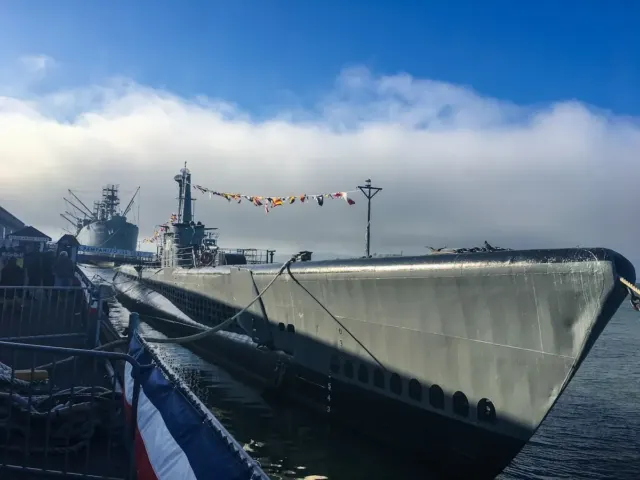
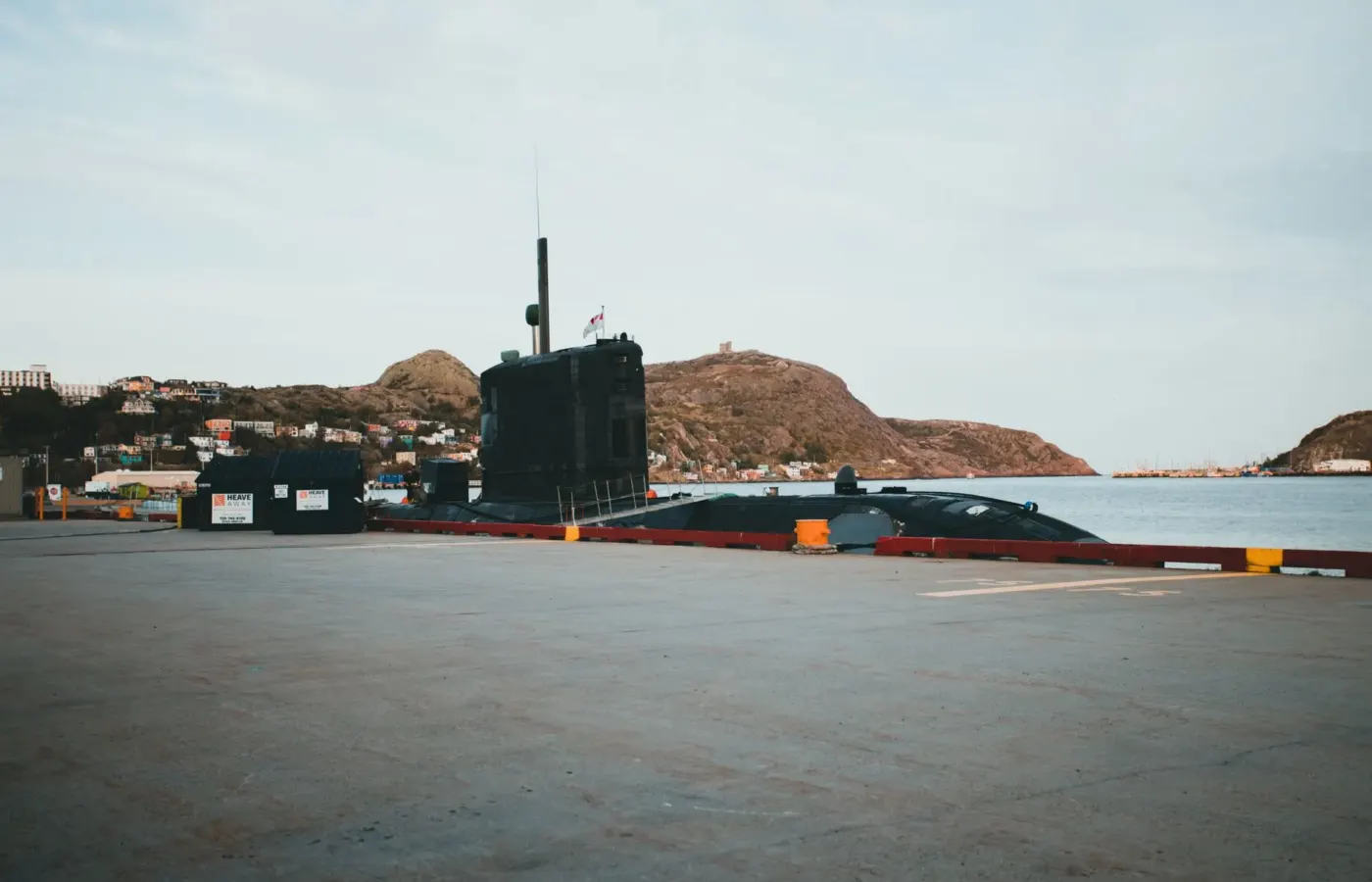
In this discussion, “nuclear submarine” refers to a submarine powered by a nuclear reactor, not one equipped with nuclear weapons. Nuclear-powered submarines are generally considered more capable than conventionally powered vessels of remaining submerged for extended periods and conducting long-range operations.
Koizumi’s comments do not amount to a decision to acquire or build nuclear-powered submarines. The Defense Ministry says it will assess future defense capabilities and propulsion systems in light of the security environment, costs and operational requirements.
Strengthening Maritime Defense Against North Korea and China
Japan’s reconsideration of submarine propulsion comes amid North Korea’s missile and nuclear programs and the expansion of China’s naval power. In 2022, the Japanese government adopted its National Security Strategy, National Defense Strategy and Defense Buildup Program, setting out plans to strengthen capabilities including missile defense and long-range strike options.
Japan’s Defense Ministry describes the surrounding security environment as the most severe and complex the country has faced since the end of World War II. The discussion of nuclear-powered submarines is likewise being viewed as part of the long-term design of Japan’s maritime defense capabilities.
Discussion Coincides With Review of Japan’s Security Documents
On December 16, 2022, the Japanese government finalized what are known as the “three strategic documents”: the National Security Strategy, the National Defense Strategy and the Defense Buildup Program. The Defense Ministry says discussions on reshaping the country’s defense capabilities and revising the three documents are now underway under Koizumi’s leadership.
Japan’s 2022 National Security Strategy maintains the principles of exclusively defense-oriented policy and the Three Non-Nuclear Principles. The debate over acquiring nuclear-powered submarines therefore does not, by itself, signal a move toward nuclear armament or the possession of nuclear weapons.
Technological, Financial and Institutional Barriers
Nuclear-powered submarines offer advantages in endurance and submerged operations, but they require enormous investment to build and operate, as well as dedicated systems for reactor management, crew training and maintenance infrastructure. Nuclear safety regulation and the handling of radioactive materials would also have to be addressed.
There is significant caution within Japan over acquiring nuclear-powered submarines. The government would have to consider the country’s non-nuclear principles, its policy of the peaceful use of nuclear energy and the likely reaction of neighboring countries. As a result, any decision is likely to weigh not only military utility but also legal, diplomatic and fiscal considerations.
The Future Direction of Japan’s Defense Policy
Koizumi’s remarks can be seen as a political signal that Japan does not intend to limit the future of its submarine fleet to conventional propulsion. For now, however, the confirmed position is only a general willingness to keep the option open—not a decision on construction schedules or funding.
Key questions will be whether nuclear-powered submarines are formally included in the revision of Japan’s three strategic documents and how the Japanese public and neighboring countries respond. Even if the debate advances, bringing such a capability into service is expected to require considerable time and institutional review.
Frequently Asked Questions (FAQ)
Has Japan decided to acquire nuclear-powered submarines?
No. Japan’s defense minister said only that nuclear-powered submarines would not be ruled out as an option. No decision has been made to acquire or build them.
Are nuclear-powered submarines equipped with nuclear weapons?
Not necessarily. A nuclear-powered submarine uses a nuclear reactor for propulsion, which is a separate issue from whether it carries nuclear weapons.
Why is Japan considering nuclear-powered submarines?
They could give Japan greater endurance and long-range operational capabilities while helping it respond to changes in the surrounding security environment, including North Korea’s missile threat and China’s expanding naval power.
Would this conflict with Japan’s Three Non-Nuclear Principles?
Japan’s existing Three Non-Nuclear Principles prohibit the possession, production or introduction of nuclear weapons. Nuclear-powered submarines are distinct from nuclear weapons, but the issue could still prompt debate over the interpretation of relevant laws and policies.
What are the biggest obstacles to Japan acquiring nuclear-powered submarines?
The main challenges include the enormous cost of construction and operation, reactor safety management, securing specialized personnel and maintenance facilities, domestic public opinion and possible diplomatic opposition from neighboring countries.